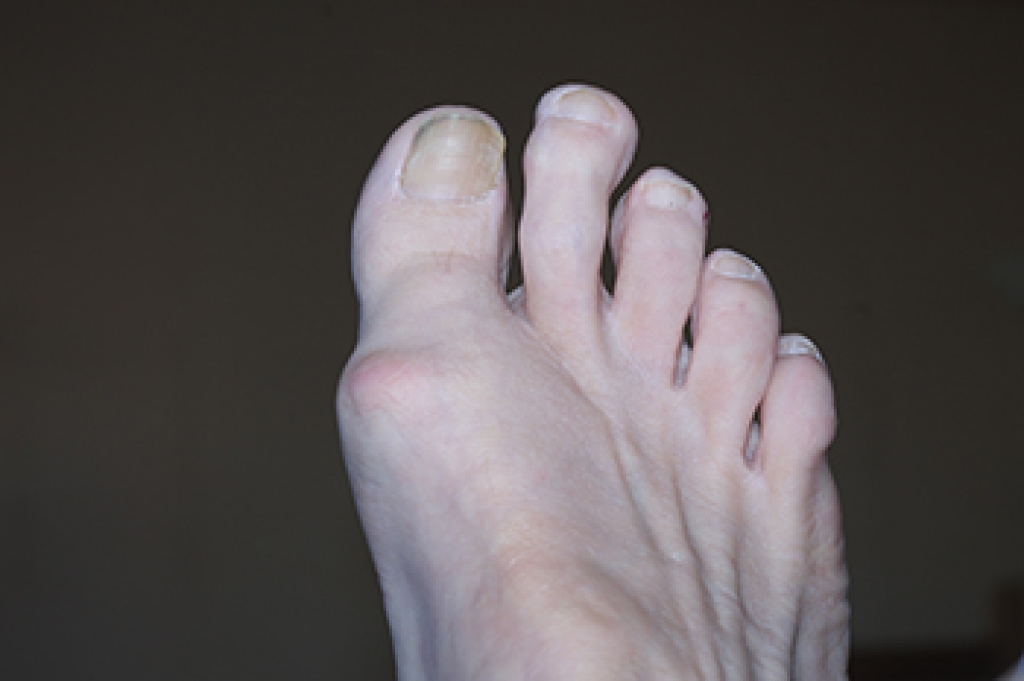
Have you noticed discoloration of your toenails? Have they become thickened or brittle? If so, you may be experiencing symptoms of a fungal nail infection. For some, having a fungal nail can be embarrassing. Overcome your embarrassment, and get treated.
Chronic ankle instability develops when the outer side of the ankle repeatedly gives way, often following previous sprains that did not fully heal. Over time, weakened ligaments and poor joint support can lead to ongoing problems. Common causes include repeated ankle injuries, improper rehabilitation, and footwear that lacks support. Risk factors include high impact activities, uneven surfaces, and poor balance. Symptoms include frequent turning of the ankle, persistent discomfort, swelling, and a feeling of unsteadiness during movement. A podiatrist can evaluate ligament strength, assess gait, and provide treatment such as bracing, custom orthotics, and strengthening exercises. Early intervention can restore stability and prevent further injury. If you have ankle instability or pain, it is suggested that you promptly consult a podiatrist who can offer effective relief and treatment solutions.
Ankle pain can have many different causes and the pain may potentially be serious. If you have ankle pain, consult with Chuc Dang, DPM from California . Our doctor will assess your condition and provide you with quality foot and ankle treatment.
Ankle pain is any condition that causes pain in the ankle. Due to the fact that the ankle consists of tendons, muscles, bones, and ligaments, ankle pain can come from a number of different conditions.
Causes
The most common causes of ankle pain include:
Types of arthritis (rheumatoid, osteoarthritis, and gout)
Ankle sprains
Broken ankles
Achilles tendinitis
Achilles tendon rupture
Stress fractures
Tarsal tunnel syndrome
Plantar fasciitis
Symptoms
Symptoms of ankle injury vary based upon the condition. Pain may include general pain and discomfort, swelling, aching, redness, bruising, burning or stabbing sensations, and/or loss of sensation.
Diagnosis
Due to the wide variety of potential causes of ankle pain, podiatrists will utilize a number of different methods to properly diagnose ankle pain. This can include asking for personal and family medical histories and of any recent injuries. Further diagnosis may include sensation tests, a physical examination, and potentially x-rays or other imaging tests.
Treatment
Just as the range of causes varies widely, so do treatments. Some more common treatments are rest, ice packs, keeping pressure off the foot, orthotics and braces, medication for inflammation and pain, and surgery.
If you have any questions please feel free to contact our office located in Westminster, CA. We offer the newest diagnostic tools and technology to treat your foot and ankle needs.
Puncture wounds from pedaling injuries are common in children and teens and occur when the foot slips off a bicycle pedal and strikes the sharp metal surface. This can cause small but deep wounds that may introduce bacteria into the skin. Symptoms include pain, bleeding, swelling, and tenderness. In some cases, signs of infection such as redness or drainage may develop. Risk factors include bike riding without proper footwear, wet or worn pedals, and lack of experience or control while cycling. Without prompt care, complications can arise. A podiatrist can help by properly cleaning the wound to prevent infection and guiding healing. If your child has a foot injury from cycling, it is suggested that you consult a podiatrist who can provide effective treatment.
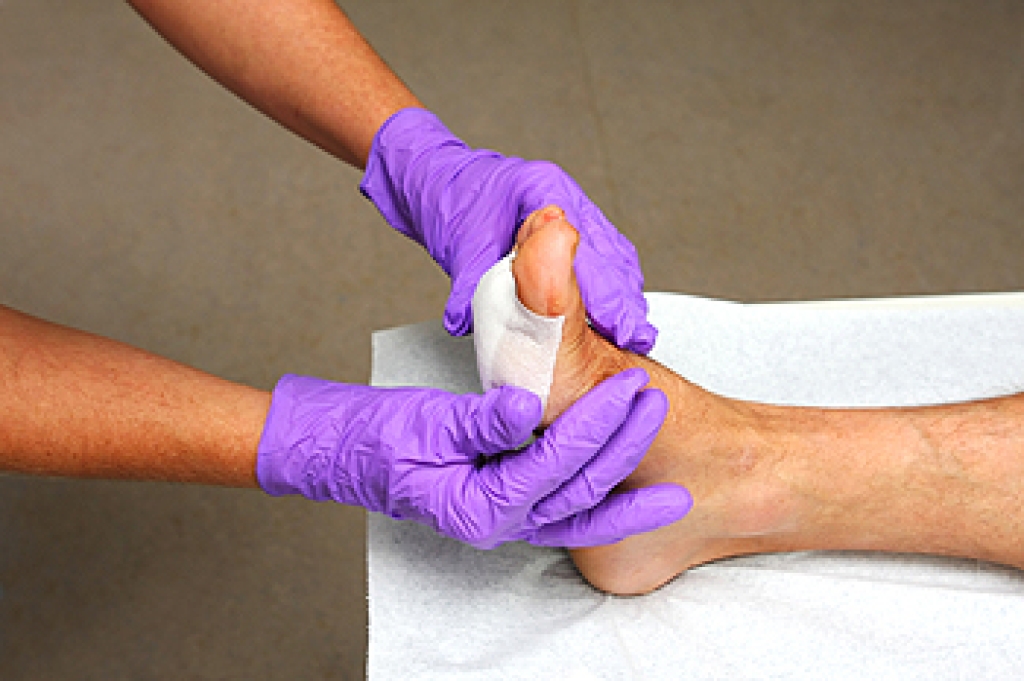
Wound care is an important part in dealing with diabetes. If you have diabetes and a foot wound or would like more information about wound care for diabetics, consult with Chuc Dang, DPM from California . Our doctor will assess your condition and provide you with quality foot and ankle treatment.
What Is Wound Care?
Wound care is the practice of taking proper care of a wound. This can range from the smallest to the largest of wounds. While everyone can benefit from proper wound care, it is much more important for diabetics. Diabetics often suffer from poor blood circulation which causes wounds to heal much slower than they would in a non-diabetic.
What Is the Importance of Wound Care?
While it may not seem apparent with small ulcers on the foot, for diabetics, any size ulcer can become infected. Diabetics often also suffer from neuropathy, or nerve loss. This means they might not even feel when they have an ulcer on their foot. If the wound becomes severely infected, amputation may be necessary. Therefore, it is of the upmost importance to properly care for any and all foot wounds.
How to Care for Wounds
The best way to care for foot wounds is to prevent them. For diabetics, this means daily inspections of the feet for any signs of abnormalities or ulcers. It is also recommended to see a podiatrist several times a year for a foot inspection. If you do have an ulcer, run the wound under water to clear dirt from the wound; then apply antibiotic ointment to the wound and cover with a bandage. Bandages should be changed daily and keeping pressure off the wound is smart. It is advised to see a podiatrist, who can keep an eye on it.
If you have any questions please contact our office located in Westminster, CA. We offer the newest diagnostic and treatment technologies for all your foot and ankle needs.
Some people have a second toe that appears longer than the big toe, often called Morton’s toe. It is actually caused by a shorter bone in the big toe and can change how weight is spread across the front of the foot. More pressure may shift onto the second toe. This can lead to pain, buildup of calluses, and soreness in the ball of the foot. This uneven pressure can affect how you walk and may place extra strain on nearby joints. A podiatrist can examine the foot, watch how you walk, and take X-rays to better understand bone position. Treatment options include custom shoe inserts to improve weight balance, protective padding, or surgery in more severe cases to adjust bone length. Early care can help reduce stress on the toes and improve comfort during daily activities. If you are experiencing such toe pain, it is suggested that you make an appointment with a podiatrist for treatment.
Toe pain can disrupt your daily activities. If you have any concerns, contact Chuc Dang, DPM of California . Our doctor can provide the care you need to keep you pain-free and on your feet.
What Causes Toe Pain?
Most severe toe pain is caused due to a sports injury, trauma from dropping something heavy on the toe, or bumping into something rigid. Other problems can develop over time for various reasons.
Toe pain can be caused by one or more ailments. The most common include:
Trauma
Sports injury
Wearing shoes that are too tight
Arthritis
Gout
Corns and calluses
Hammertoe
Bunions
Blisters
Ingrown toenails
Sprains
Fractures (broken bones)
Dislocations
When to See a Podiatrist
Severe pain
Persistent pain that lasts more than a week
Signs of infection
Continued swelling
Pain that prevents walking
Diagnosis
In many cases the cause of toe pain is obvious, but in others, a podiatrist may want to use more advanced methods to determine the problem. These can range from simple visual inspections and sensation tests to X-rays and MRI scans. Prior medical history, family medical history, and any recent physical traumatic events will all be taken into consideration for a proper diagnosis.
Treatment
Treatments for toe pain and injuries vary and may include shoe inserts, padding, taping, medicines, injections, and in some cases, surgery. If you believe that you have broken a toe, please see a podiatrist as soon as possible.
If you have any questions please contact our office located in Westminster, CA. We offer the newest diagnostic and treatment technologies for all your foot and ankle needs.
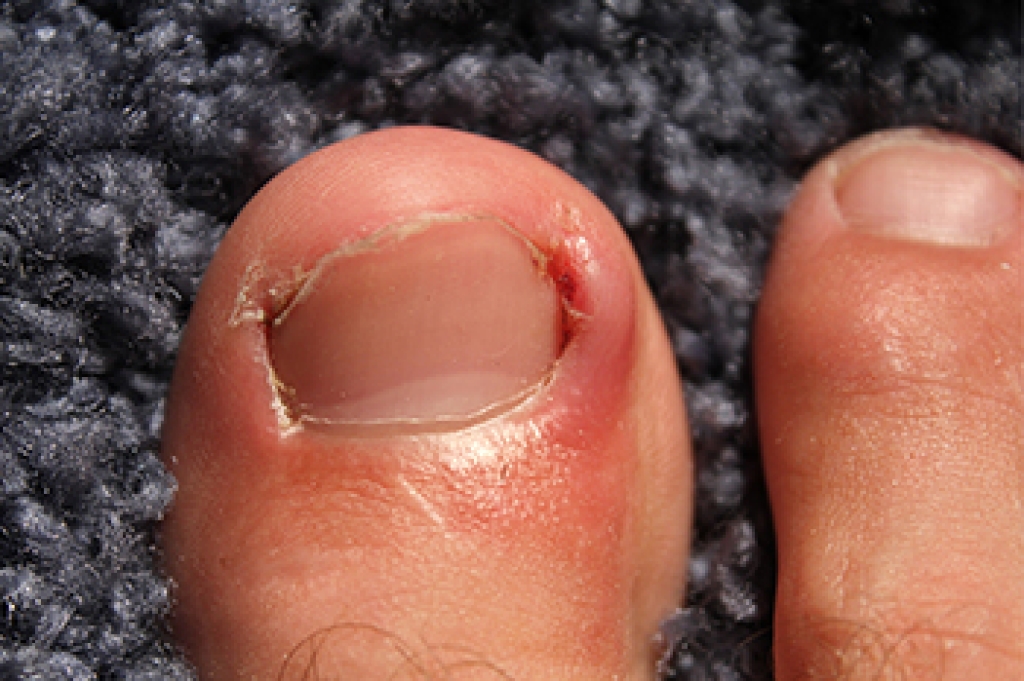
An ingrown toenail occurs when the edge of the nail grows into the surrounding skin, causing irritation and inflammation. Common symptoms include pain, redness, swelling, and sometimes drainage if infection develops. Risk factors include improper nail trimming, tight footwear, and environments that keep the feet warm and moist. Repetitive pressure or injury can also contribute to this condition. Without treatment, discomfort may worsen and limit daily activity. A podiatrist can safely treat the ingrown nail, relieve pressure, and provide guidance to prevent recurrence. Early care helps avoid complications and supports healthy nail growth. If you have a painful or infected ingrown toenail, it is suggested that you consult a podiatrist who can offer effective treatment solutions, which may include prescribed medication.
Ingrown toenails may initially present themselves as a minor discomfort, but they may progress into an infection in the skin without proper treatment. For more information about ingrown toenails, contact Chuc Dang, DPM of California . Our doctor can provide the care you need to keep you pain-free and on your feet.
Ingrown Toenails
Ingrown toenails are caused when the corner or side of a toenail grows into the soft flesh surrounding it. They often result in redness, swelling, pain, and in some cases, infection. This condition typically affects the big toe and may recur if it is not treated properly.
Causes
Improper toenail trimming
Genetics
Improper shoe fitting
Injury from pedicures or nail picking
Abnormal gait
Poor hygiene
You are more likely to develop an ingrown toenail if you are obese, have diabetes, arthritis, or have any fungal infection in your nails. Additionally, people who have foot or toe deformities are at a higher risk of developing an ingrown toenail.
Symptoms
Some symptoms of ingrown toenails are redness, swelling, and pain. In rare cases, there may be a yellowish drainage coming from the nail.
Treatment
Ignoring an ingrown toenail can have serious complications. Infections of the nail border can progress to a deeper soft-tissue infection, which can then turn into a bone infection. You should always speak with your podiatrist if you suspect you have an ingrown toenail, especially if you have diabetes or poor circulation.
If you have any questions, please feel free to contact our office located in Westminster, CA. We offer the newest diagnostic and treatment technologies for all your foot care needs.