
Painful deformities, such as hammertoes, can be treated. Stop living with foot pain, and have beautiful feet again!
Painful deformities, such as hammertoes, can be treated. Stop living with foot pain, and have beautiful feet again!
Sesamoiditis is a painful condition involving irritation and inflammation of the tendons surrounding the sesamoid bones. These are small bones located beneath the big toe joint that help absorb weight and assist with movement when walking and running. The condition develops from repetitive stress, overuse, or excessive pressure on the ball of the foot. Symptoms often include aching pain beneath the big toe, swelling, bruising, and discomfort that worsens with activity. Activities that place repeated strain on the forefoot, such as ballet dancing and sports, are more likely to cause this condition. A podiatrist can provide an accurate diagnosis, offloading strategies, and customized treatment. If you have pain in this part of your foot, it is suggested that you consult a podiatrist who can accurately diagnose and treat what may be going on.
Sesamoiditis is an unpleasant foot condition characterized by pain in the balls of the feet. If you think you’re struggling with sesamoiditis, contact Chuc Dang, DPM of California . Our doctor will treat your condition thoroughly and effectively.
Sesamoiditis
Sesamoiditis is a condition of the foot that affects the ball of the foot. It is more common in younger people than it is in older people. It can also occur with people who have begun a new exercise program, since their bodies are adjusting to the new physical regimen. Pain may also be caused by the inflammation of tendons surrounding the bones. It is important to seek treatment in its early stages because if you ignore the pain, this condition can lead to more serious problems such as severe irritation and bone fractures.
Causes of Sesamoiditis
Treatment for sesamoiditis is non-invasive and simple. Doctors may recommend a strict rest period where the patient forgoes most physical activity. This will help give the patient time to heal their feet through limited activity. For serious cases, it is best to speak with your doctor to determine a treatment option that will help your specific needs.
If you have any questions, please feel free to contact our office located in Westminster, CA . We offer the newest diagnostic and treatment technologies for all your foot care needs.

Snowy conditions and cold temperatures can place stress on the feet, often leading to soreness, stiffness, and changes in the way people walk. Winter boots are frequently chosen for warmth or traction, yet many lack proper support, place excess pressure on the ball of the foot, or restrict natural movement. Winter activities, such as skiing, snowboarding, or ice skating, require specialized footwear that can further strain the feet and ankles. A podiatrist can evaluate how winter footwear and seasonal activities affect foot mechanics and diagnose tendon strain, nerve irritation, or joint inflammation. Treatment may include professional guidance on footwear selection, custom orthotics, gait evaluation, and medical care designed to reduce pain and protect foot structure throughout the winter months. If your feet are sore from severe winter weather, it is suggested that you make an appointment with a podiatrist for an exam, diagnosis, and treatment.
Foot Pain
Foot pain can be extremely painful and debilitating. If you have a foot pain, consult with Chuc Dang, DPM from California . Our doctor will assess your condition and provide you with quality foot and ankle treatment.
Causes
Foot pain is a very broad condition that could be caused by one or more ailments. The most common include:
Diagnosis
To figure out the cause of foot pain, podiatrists utilize several different methods. This can range from simple visual inspections and sensation tests to X-rays and MRI scans. Prior medical history, family medical history, and any recent physical traumatic events will all be taken into consideration for a proper diagnosis.
Treatment
Treatment depends upon the cause of the foot pain. Whether it is resting, staying off the foot, or having surgery; podiatrists have a number of treatment options available for foot pain.
If you have any questions, please feel free to contact our office located in Westminster, CA . We offer the newest diagnostic and treatment technologies for all your foot care needs.
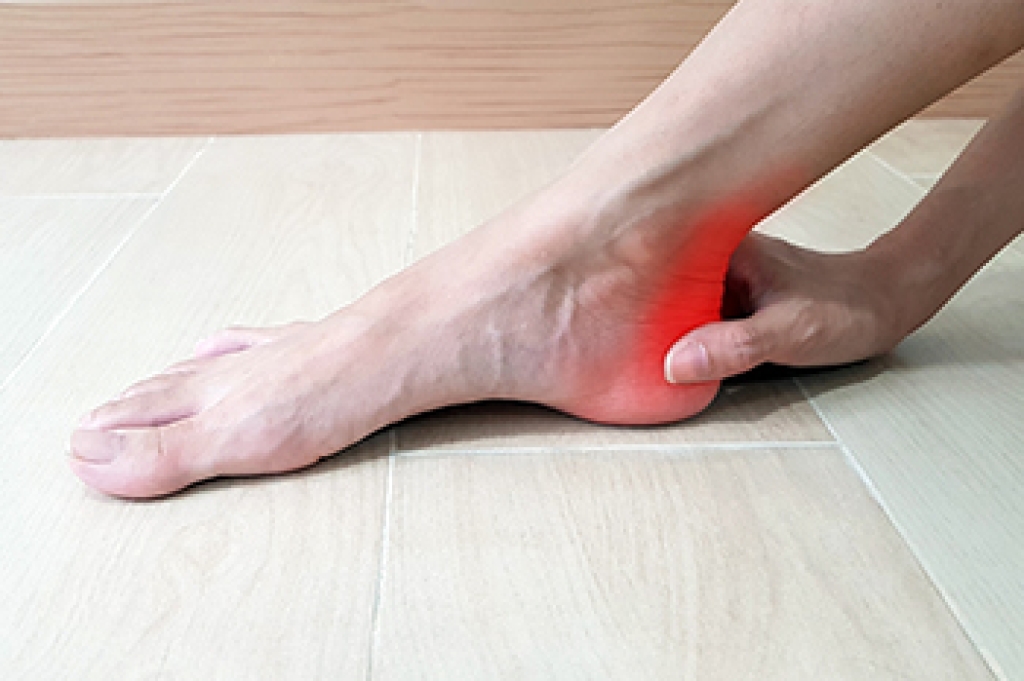
Athletes who rely on running, jumping, or sudden changes in direction may experience pain in the Achilles tendon, the strong band connecting the calf muscles to the heel. This condition often appears as swelling or thickening along the back of the heel and can feel stiff, tender, or sharp during activity. Common causes include overuse, sudden increases in training intensity, tight calf muscles, or improper footwear. Symptoms may worsen with activity and improve with rest, yet persistent pain can limit performance. A podiatrist begins with a detailed exam and imaging when needed to assess tendon integrity and rule out tears. Treatment may include stretching and strengthening exercises to restore flexibility and support, orthotics or heel lifts to reduce strain, and activity modification. Early intervention can prevent further injury and speed recovery. If you have Achilles tendon pain, it is suggested that you make an appointment with a podiatrist.
Achilles tendon injuries need immediate attention to avoid future complications. If you have any concerns, contact Chuc Dang, DPM of California . Our doctor can provide the care you need to keep you pain-free and on your feet.
What Is the Achilles Tendon?
The Achilles tendon is a tendon that connects the lower leg muscles and calf to the heel of the foot. It is the strongest tendon in the human body and is essential for making movement possible. Because this tendon is such an integral part of the body, any injuries to it can create immense difficulties and should immediately be presented to a doctor.
What Are the Symptoms of an Achilles Tendon Injury?
There are various types of injuries that can affect the Achilles tendon. The two most common injuries are Achilles tendinitis and ruptures of the tendon.
Achilles Tendinitis Symptoms
Rupture Symptoms
Treatment and Prevention
Achilles tendon injuries are diagnosed by a thorough physical evaluation, which can include an MRI. Treatment involves rest, physical therapy, and in some cases, surgery. However, various preventative measures can be taken to avoid these injuries, such as:
If you have any questions please feel free to contact our office located in Westminster, CA . We offer the newest diagnostic tools and technology to treat your foot and ankle needs.

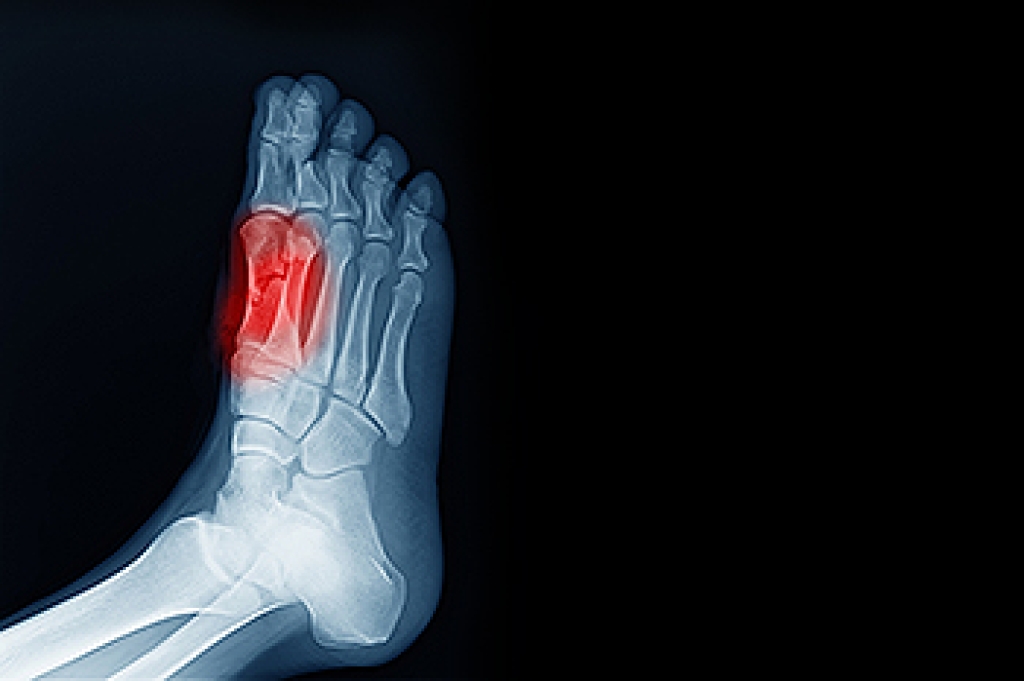
Recovering from a Lisfranc fracture often requires patience and a structured exercise plan to restore strength and mobility. This injury, commonly caused by a fall, sports impact, or vehicle accident, may leave the midfoot swollen, bruised, or visibly altered in shape. It can feel stiff, weak, or painful, especially when pushing off or standing for long periods. A podiatrist begins by evaluating healing through physical examination and imaging, then designs a gradual rehabilitation program. Exercises may include gentle stretching to improve flexibility, strengthening movements to rebuild arch support, and balance training to restore stability. These exercises are designed to progress carefully to avoid reinjury while encouraging safe movement. Combined with proper footwear and possible orthotics, exercise plays a key role in full recovery. If you suspect a Lisfranc fracture, it is suggested that you make an appointment with a podiatrist.
A broken foot requires immediate medical attention and treatment. If you need your feet checked, contact Chuc Dang, DPM from California . Our doctor can provide the care you need to keep you pain-free and on your feet.
Broken Foot Causes, Symptoms, and Treatment
A broken foot is caused by one of the bones in the foot typically breaking when bended, crushed, or stretched beyond its natural capabilities. Usually the location of the fracture indicates how the break occurred, whether it was through an object, fall, or any other type of injury.
Common Symptoms of Broken Feet:
Those that suspect they have a broken foot shoot seek urgent medical attention where a medical professional could diagnose the severity.
Treatment for broken bones varies depending on the cause, severity and location. Some will require the use of splints, casts or crutches while others could even involve surgery to repair the broken bones. Personal care includes the use of ice and keeping the foot stabilized and elevated.
If you have any questions, please feel free to contact our office located in Westminster, CA . We offer the newest diagnostic and treatment technologies for all your foot care needs.
Connect With Us