What Can Cause Swelling in a Toe?

Swelling in a toe can develop when fluid builds up in the surrounding tissue because of injury, inflammation, infection, or joint disease. A swollen toe may appear enlarged, red, shiny, or tender. Some patients notice warmth, stiffness, or difficulty bending the toe. Pain can range from mild soreness to severe throbbing, especially when pressure is applied while walking or wearing shoes. Common causes include fractures, gout, and arthritis. Ingrown toenails or poor circulation that allows fluid to collect in the area are other factors. Swelling may occur suddenly after trauma, while other conditions develop more gradually. A podiatrist can examine the toe, evaluate joint movement and circulation, and determine the source of the swelling. Treatment depends on the underlying cause. Options include wearing protective footwear, medication, or drainage of fluid. Imaging studies may be ordered to assess damage to the bone or joint. If you have a swollen toe or fluid build-up, it is suggested that you schedule an appointment with a podiatrist for appropriate relief solutions.

Toe pain can disrupt your daily activities. If you have any concerns, contact Chuc Dang, DPM of California . Our doctor can provide the care you need to keep you pain-free and on your feet.

What Causes Toe Pain?

Most severe toe pain is caused due to a sports injury, trauma from dropping something heavy on the toe, or bumping into something rigid. Other problems can develop over time for various reasons.

Toe pain can be caused by one or more ailments. The most common include:

  • Trauma
  • Sports injury
  • Wearing shoes that are too tight
  • Arthritis
  • Gout
  • Corns and calluses
  • Hammertoe
  • Bunions
  • Blisters
  • Ingrown toenails
  • Sprains
  • Fractures (broken bones)
  • Dislocations

When to See a Podiatrist

  • Severe pain
  • Persistent pain that lasts more than a week
  • Signs of infection
  • Continued swelling
  • Pain that prevents walking

Diagnosis

In many cases the cause of toe pain is obvious, but in others, a podiatrist may want to use more advanced methods to determine the problem. These can range from simple visual inspections and sensation tests to X-rays and MRI scans. Prior medical history, family medical history, and any recent physical traumatic events will all be taken into consideration for a proper diagnosis.

Treatment

Treatments for toe pain and injuries vary and may include shoe inserts, padding, taping, medicines, injections, and in some cases, surgery. If you believe that you have broken a toe, please see a podiatrist as soon as possible.

If you have any questions please contact our office located in Westminster, CA . We offer the newest diagnostic and treatment technologies for all your foot and ankle needs.
Read more about Toe Pain

Types of Achilles Tendon Injuries

Achilles tendon injuries affect the strong band of tissue that connects the calf muscles to the heel. This tendon plays a key role in walking and running. These injuries commonly appear in two forms. Tendinitis involves inflammation caused by overuse, while tendinosis refers to degeneration of the tendon. Risk factors include sudden increases in activity, tight calf muscles, improper footwear, and aging. Symptoms include pain, stiffness, swelling, and discomfort during movement, especially after rest. Without care, symptoms can worsen and limit daily activities. A podiatrist can evaluate the affected area, recommend stretching, supportive footwear, and provide targeted treatments to promote healing. If you have any of the above symptoms, it is suggested that you consult a podiatrist who can accurately diagnose and treat Achilles tendon injuries.

Achilles tendon injuries need immediate attention to avoid future complications. If you have any concerns, contact Chuc Dang, DPM of California . Our doctor can provide the care you need to keep you pain-free and on your feet.

What Is the Achilles Tendon?

The Achilles tendon is a tendon that connects the lower leg muscles and calf to the heel of the foot. It is the strongest tendon in the human body and is essential for making movement possible. Because this tendon is such an integral part of the body, any injuries to it can create immense difficulties and should immediately be presented to a doctor.

What Are the Symptoms of an Achilles Tendon Injury?

There are various types of injuries that can affect the Achilles tendon. The two most common injuries are Achilles tendinitis and ruptures of the tendon.

Achilles Tendinitis Symptoms

  • Inflammation
  • Dull to severe pain
  • Increased blood flow to the tendon
  • Thickening of the tendon

Rupture Symptoms

  • Extreme pain and swelling in the foot
  • Total immobility

Treatment and Prevention

Achilles tendon injuries are diagnosed by a thorough physical evaluation, which can include an MRI. Treatment involves rest, physical therapy, and in some cases, surgery. However, various preventative measures can be taken to avoid these injuries, such as:

  • Thorough stretching of the tendon before and after exercise
  • Strengthening exercises like calf raises, squats, leg curls, leg extensions, leg raises, lunges, and leg presses

If you have any questions please feel free to contact our office located in Westminster, CA . We offer the newest diagnostic tools and technology to treat your foot and ankle needs.

Read more about What are Achilles Tendon Injuries

Outer Foot Pain May Indicate Cuboid Syndrome

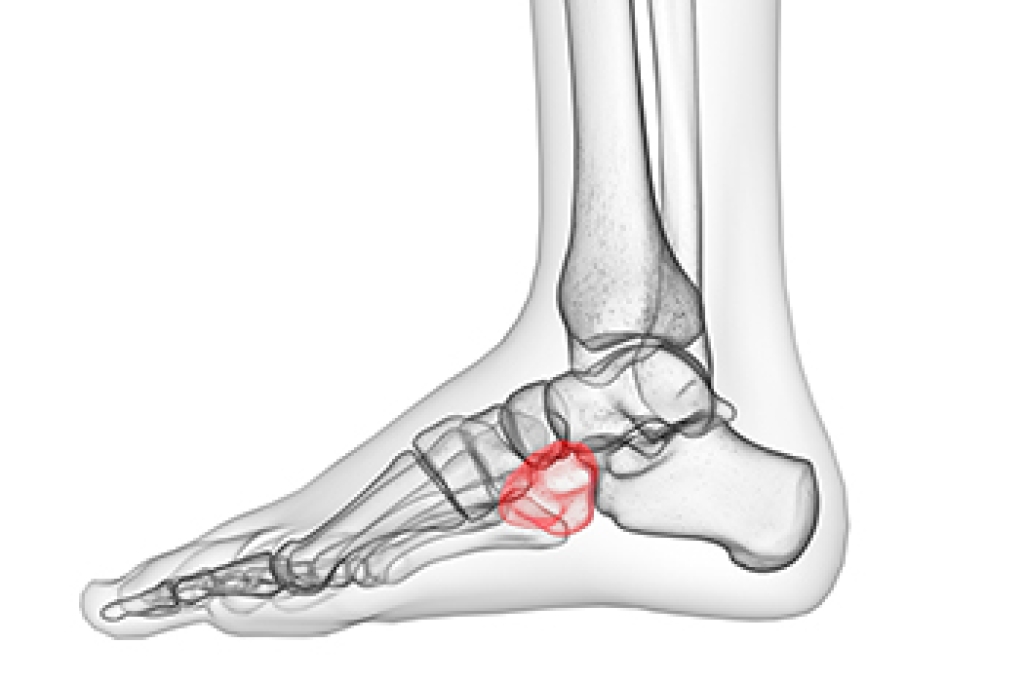
Cuboid syndrome occurs when there is an injury to the joint and surrounding ligaments of the cuboid bone on the outer side of the foot. It is often seen in athletes, gymnasts, and dancers, due to repetitive stress and movement. Symptoms include pain along the outside of the foot that worsens with weight bearing, difficulty walking, and a decreased range of motion. Some people may also notice weakness or instability in the foot. Risk factors include overuse, improper footwear, and previous ankle injuries. A podiatrist can assess the foot, restore proper alignment, and recommend supportive treatment. If you have pain on the outside of your foot, it is suggested that you consult a podiatrist who can accurately diagnose and treat what may be going on.

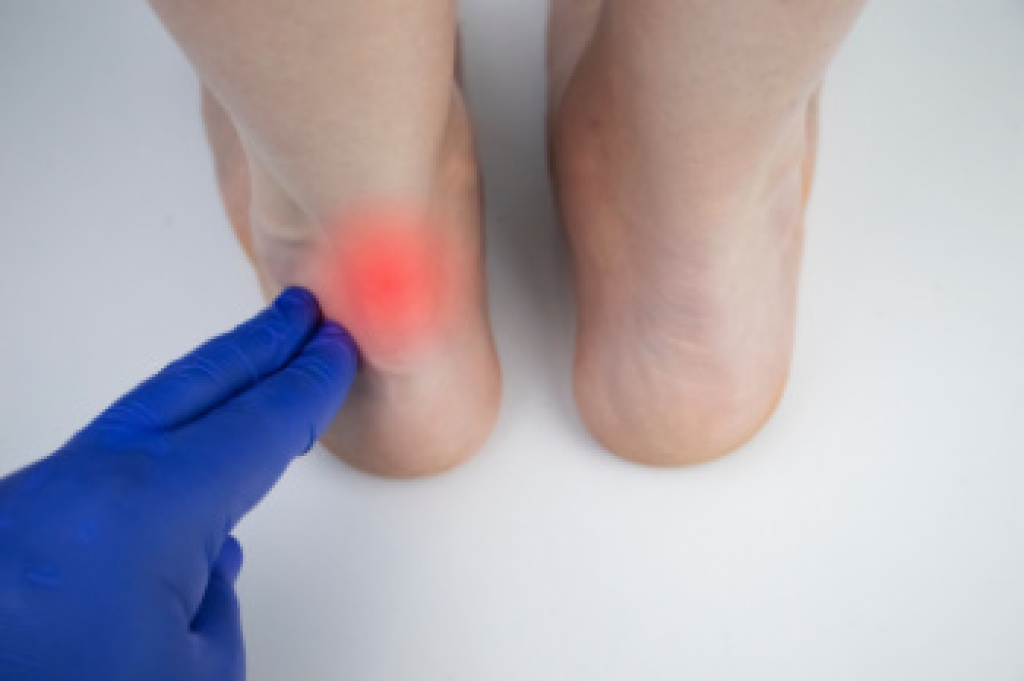
Cuboid syndrome, also known as cuboid subluxation, occurs when the joints and ligaments near the cuboid bone in the foot become torn. If you have cuboid syndrome, consult with Chuc Dang, DPM from California . Our doctor will assess your condition and provide you with quality foot and ankle treatment.

Cuboid syndrome is a common cause of lateral foot pain, which is pain on the outside of the foot. The condition may happen suddenly due to an ankle sprain, or it may develop slowly overtime from repetitive tension through the bone and surrounding structures.

Causes

The most common causes of cuboid syndrome include:

  • Injury – The most common cause of this ailment is an ankle sprain.
  • Repetitive Strain – Tension placed through the peroneus longus muscle from repetitive activities such as jumping and running may cause excessive traction on the bone causing it to sublux.
  • Altered Foot Biomechanics – Most people suffering from cuboid subluxation have flat feet.

Symptoms

A common symptom of cuboid syndrome is pain along the outside of the foot which can be felt in the ankle and toes. This pain may create walking difficulties and may cause those with the condition to walk with a limp.

Diagnosis

Diagnosis of cuboid syndrome is often difficult, and it is often misdiagnosed. X-rays, MRIs and CT scans often fail to properly show the cuboid subluxation. Although there isn’t a specific test used to diagnose cuboid syndrome, your podiatrist will usually check if pain is felt while pressing firmly on the cuboid bone of your foot.

Treatment

Just as the range of causes varies widely, so do treatments. Some more common treatments are ice therapy, rest, exercise, taping, and orthotics.

If you have any questions, please feel free to contact our office located in Westminster, CA . We offer the newest diagnostic and treatment technologies for all your foot care needs.

Read more about Cuboid Syndrome

Cold Feet and Underlying Health Conditions

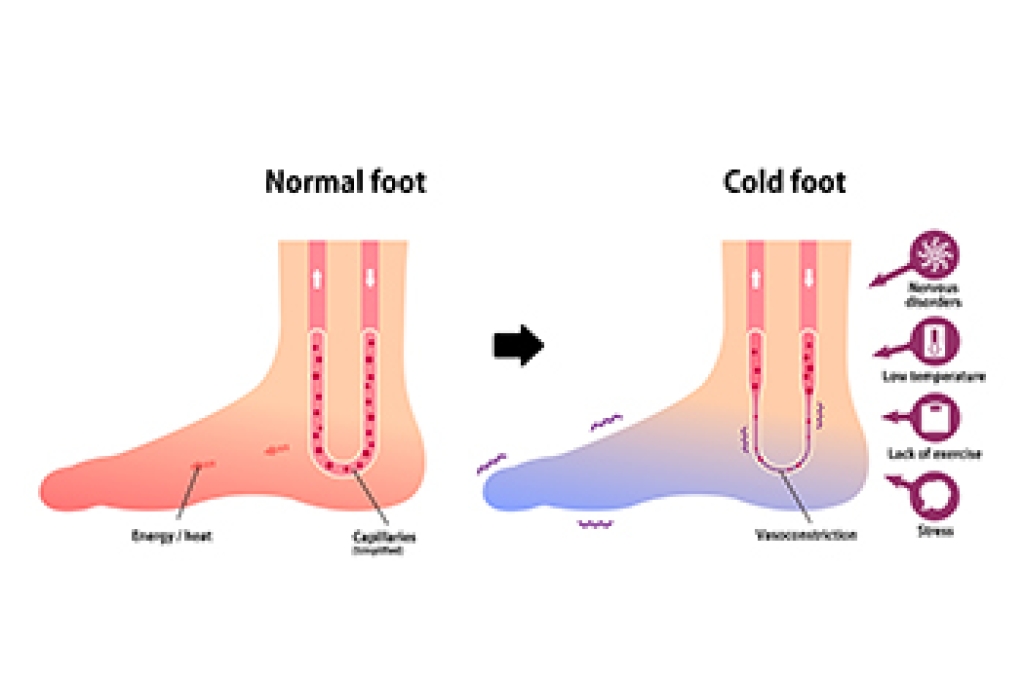
Cold feet can be a symptom of several underlying conditions that affect circulation and nerve function. Raynaud's syndrome is a condition where blood vessels narrow excessively in response to cold or stress, reducing blood flow to the feet. Neuropathy involves nerve damage that can alter temperature sensation and cause persistent coldness. Vascular disease reduces circulation due to narrowed or blocked arteries.  Buerger's disease, an inflammatory condition that damages blood vessels, is often linked to tobacco use. Risk factors include smoking, diabetes, and poor circulation. A podiatrist can evaluate symptoms, identify underlying causes, and coordinate appropriate care to improve foot health. If your feet are cold for the majority of the time, it is suggested that you consult a podiatrist who can offer appropriate relief and treatment solutions.

Foot Pain

Foot pain can be extremely painful and debilitating. If you have a foot pain, consult with Chuc Dang, DPM from California . Our doctor will assess your condition and provide you with quality foot and ankle treatment.

Causes

Foot pain is a very broad condition that could be caused by one or more ailments. The most common include:

  • Bunions
  • Hammertoes
  • Plantar Fasciitis
  • Bone Spurs
  • Corns
  • Tarsal Tunnel Syndrome
  • Ingrown Toenails
  • Arthritis (such as Gout, Rheumatoid, and Osteoarthritis)
  • Flat Feet
  • Injury (from stress fractures, broken toe, foot, ankle, Achilles tendon ruptures, and sprains)
  • And more

Diagnosis

To figure out the cause of foot pain, podiatrists utilize several different methods. This can range from simple visual inspections and sensation tests to X-rays and MRI scans. Prior medical history, family medical history, and any recent physical traumatic events will all be taken into consideration for a proper diagnosis.

Treatment

Treatment depends upon the cause of the foot pain. Whether it is resting, staying off the foot, or having surgery; podiatrists have a number of treatment options available for foot pain.

If you have any questions, please feel free to contact our office located in Westminster, CA . We offer the newest diagnostic and treatment technologies for all your foot care needs.

Read more about Foot Pain

Try Laser Treatment For Toenail Fungus

Laser treatment can bring new hope to people suffering from onychomycosis, or toenail fungus. Laser treatment for fungal nails poses none of the risks and harmful side effects of oral anti-fungal medications. Treatment is painless and requires very little time or set-up, unlike other laser therapies. 

Connect With Us