
Your feet are covered most of the day. If you're diabetic, periodic screening is important for good health. Numbness is often a sign of diabetic foot and can mask a sore or wound.
Your feet are covered most of the day. If you're diabetic, periodic screening is important for good health. Numbness is often a sign of diabetic foot and can mask a sore or wound.
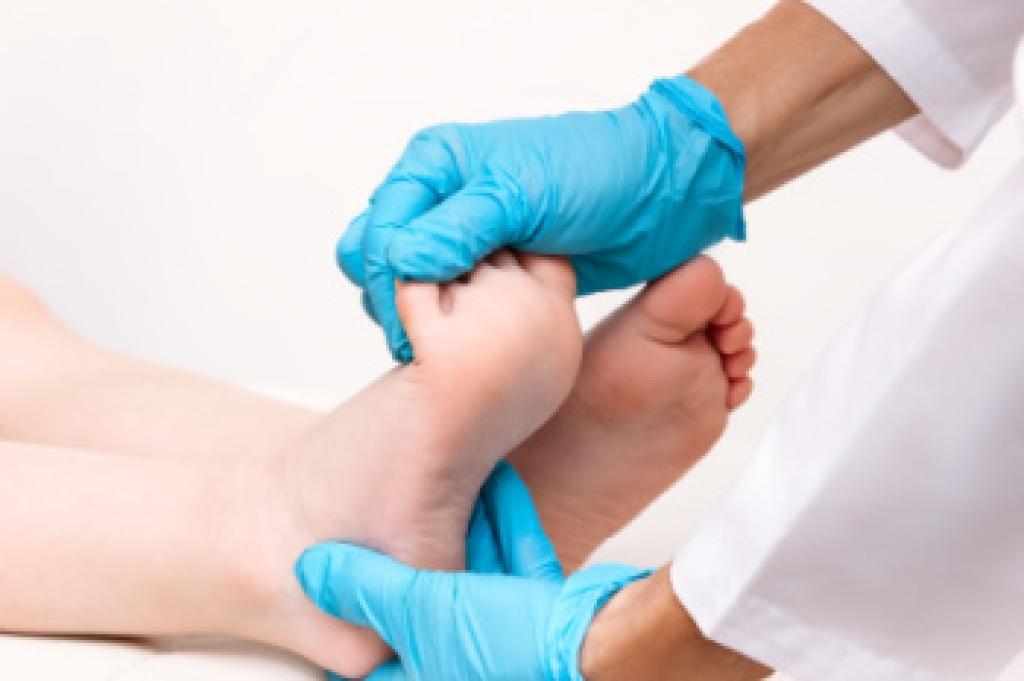
Heel pain in children is often linked to Sever’s disease, a growth plate inflammation that appears during growth spurts, especially in active kids. But it is not the only reason young heels may hurt. Overuse injuries from sports, wearing poorly fitting shoes, flat feet, or high arches can also strain the heel. Plantar fasciitis, although more common in adults, can occur in athletic children. Bruises from impact, minor fractures, or tendonitis may cause similar discomfort. Even certain infections or inflammatory conditions can lead to heel pain. Symptoms can include limping, swelling, or pain that worsens after activity. Early evaluation helps identify the true cause and guide treatment, which may involve rest, stretching, wearing better footwear, or orthotics. If your child has ongoing heel pain, it is suggested that you see a podiatrist for an accurate diagnosis and appropriate treatment.
Many people suffer from bouts of heel pain. For more information, contact Chuc Dang, DPM of California . Our doctor can provide the care you need to keep you pain-free and on your feet.
Causes of Heel Pain
Heel pain is often associated with plantar fasciitis. The plantar fascia is a band of tissues that extends along the bottom of the foot. A rip or tear in this ligament can cause inflammation of the tissue.
Achilles tendonitis is another cause of heel pain. Inflammation of the Achilles tendon will cause pain from fractures and muscle tearing. Lack of flexibility is also another symptom.
Heel spurs are another cause of pain. When the tissues of the plantar fascia undergo a great deal of stress, it can lead to ligament separation from the heel bone, causing heel spurs.
Why Might Heel Pain Occur?
Treatments
Heel pain should be treated as soon as possible for immediate results. Keeping your feet in a stress-free environment will help. If you suffer from Achilles tendonitis or plantar fasciitis, applying ice will reduce the swelling. Stretching before an exercise like running will help the muscles. Using all these tips will help make heel pain a condition of the past.
If you have any questions, please feel free to contact our office located in Westminster, CA . We offer the newest diagnostic and treatment technologies for all your foot care needs.
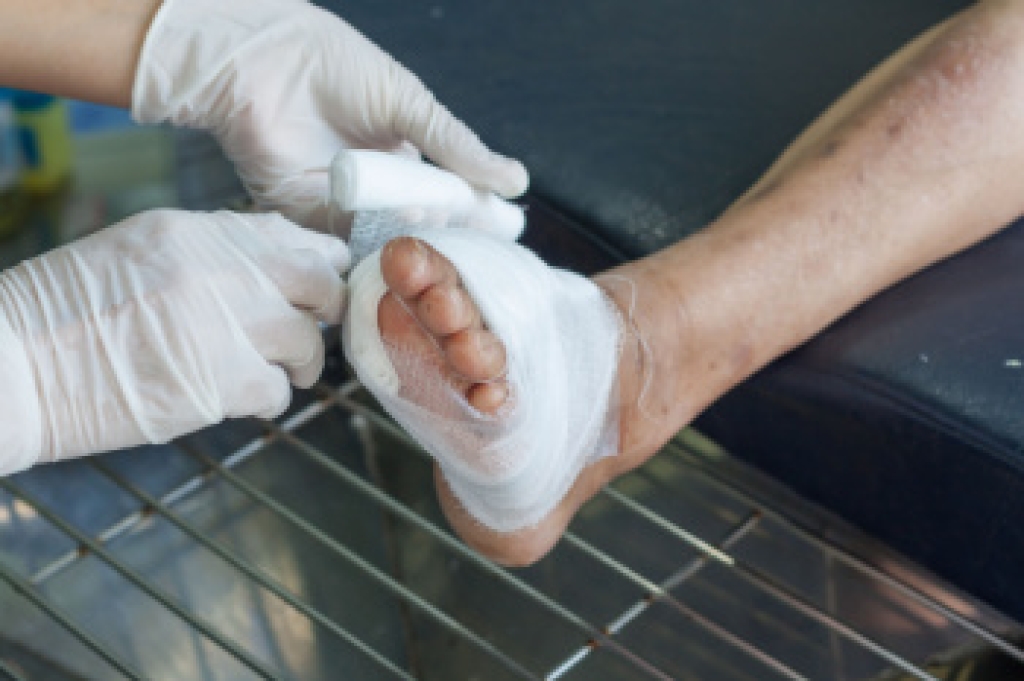
Diabetic foot care is essential for preventing serious complications. Diabetes can lead to reduced circulation, nerve damage, and delayed healing, making the feet vulnerable to injury, infection, and ulcers. Any change in color, shape, sensitivity, or the presence of numbness should be addressed promptly. Even a minor injury can become severe without proper care. Regular podiatric visits help detect early signs of problems and provide professional guidance for daily foot care, nail trimming, and footwear. A podiatrist can also manage wounds, treat infections, and recommend preventive measures tailored to your needs. If you have diabetes, it is strongly suggested that you are under the care of a podiatrist who can help you to manage this serious condition.
Diabetic foot care is important in preventing foot ailments such as ulcers. If you are suffering from diabetes or have any other concerns about your feet, contact Chuc Dang, DPM from California . Our doctor can provide the care you need to keep you pain-free and on your feet.
Diabetic Foot Care
Diabetes affects millions of people every year. The condition can damage blood vessels in many parts of the body, especially the feet. Because of this, taking care of your feet is essential if you have diabetes, and having a podiatrist help monitor your foot health is highly recommended.
The Importance of Caring for Your Feet
Patients with diabetes should have their doctor monitor their blood levels, as blood sugar levels play such a huge role in diabetic care. Monitoring these levels on a regular basis is highly advised.
It is always best to inform your healthcare professional of any concerns you may have regarding your feet, especially for diabetic patients. Early treatment and routine foot examinations are keys to maintaining proper health, especially because severe complications can arise if proper treatment is not applied.
If you have any questions, please feel free to contact our office located in Westminster, CA . We offer the newest diagnostic and treatment technologies for all your foot care needs.
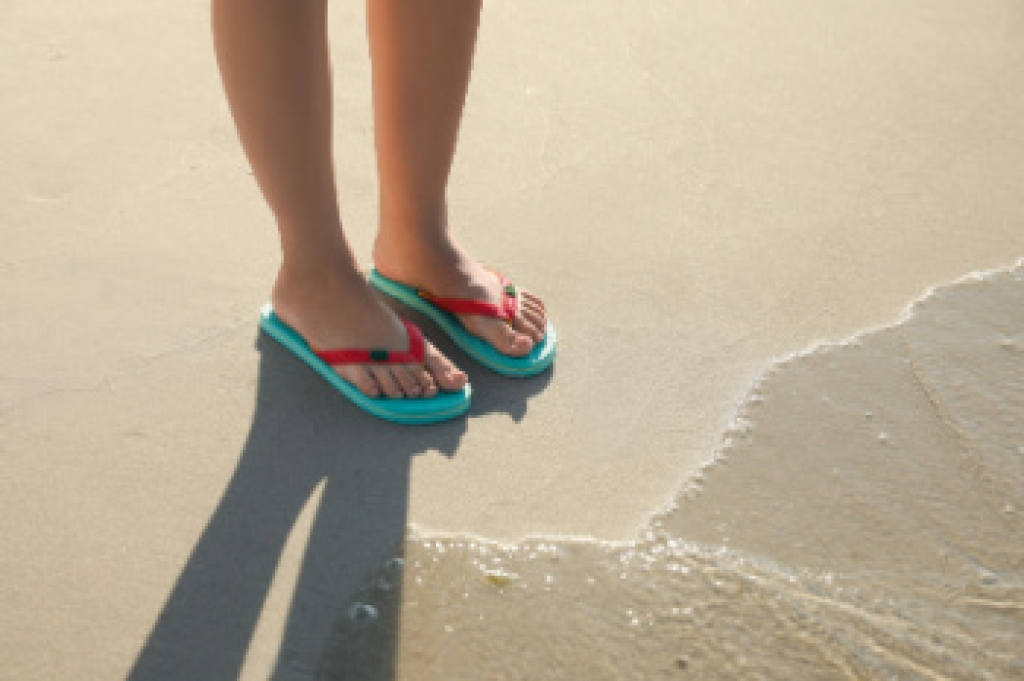
While convenient for casual wear, flip-flops can negatively affect gait and overall foot health. Their flat, thin soles provide little to no impact absorption, increasing stress on joints with each step. The lack of arch support often leads to excessive pronation, which may contribute to pain in the heels, ankles, or knees. Additionally, gripping the flip-flops with the toes can also cause strain and cause fatigue, especially during long periods of wear. A podiatrist can evaluate how your footwear choices affect your movement and recommend supportive alternatives or custom orthotics. If you experience foot discomfort after wearing flip-flops, it is suggested that you schedule a visit with a podiatrist who can treat various foot conditions.
Flip-flops are not always the best choice of footwear. If you have any concerns about your feet or ankles, contact Chuc Dang, DPM from California . Our doctor will assist you with all of your foot and ankle needs.
Flip-Flops and Feet
When the weather starts warming up, people enjoy wearing flip-flops. Flip-flops are comfortable, stylish, and easy to slip on and off; they're perfect for any summer beach goer. However, these shoes can cause harm to the feet.
How Can Flip-Flops Affect Me Long-Term?
Are There Injuries Associated with Flip-Flops?
Yes. Since flip-flops are relatively weak and do not provide the same amount of support as sneakers, people who wear flip-flops regularly are more susceptible to injuries. On top of that, the open nature of the shoe makes your feet more prone to other problems, such as cuts and even infections. Common injuries and ailments include:
I like Wearing Flip-Flops. Are There Safe Alternatives?
When buying flip-flops, try to find ones that have sturdy soles and that are made of high-quality materials that will support for your feet. These flip-flops will cost more but will also last longer as a result.
If you have any questions, please feel free to contact our office located in Westminster, CA . We offer the newest diagnostic and treatment technologies for all your foot care needs.

Clubfoot is a condition present at birth in which the foot appears twisted or turned inward. Although it may look severe, early treatment often leads to excellent outcomes. Most interventions begin soon after birth, typically with a method that gently moves the foot into better alignment using a series of casts. This process, commonly known as the Ponseti method, gradually reshapes the foot over several weeks. In some cases, a minor procedure is needed to release a tight tendon in the heel. Once corrected, the child will wear a special brace for a period of time to maintain the results and prevent the foot from returning to its original position. Long-term follow-up care ensures proper development as the child grows. With early care and guidance from a podiatrist, most children with clubfoot go on to walk, run, and play without difficulty. If your child is born with clubfoot, it is suggested that you see a podiatrist as quickly as possible so treatment can begin.
Congenital foot problems require immediate attention to avoid future complications. If you have any concerns, contact Chuc Dang, DPM of California . Our doctor can provide the care you need to keep you pain-free and on your feet.
Congenital foot problems are deformities affecting the feet, toes, and/or ankles that children are born with. Some of these conditions have a genetic cause while others just happen. Some specific foot ailments that children may be born with include clubfeet, polydactyly/macrodactyly, and cleft foot. There are several other foot anomalies that can occur congenitally. What all of these conditions have in common is that a child may experience difficulty walking or performing everyday activities, as well as trouble finding footwear that fits their foot deformity. Some of these conditions are more serious than others. Consulting with a podiatrist as early as possible will help in properly diagnosing a child’s foot condition while getting the necessary treatment underway.
What are Causes of Congenital Foot Problem?
A congenital foot problem is one that happens to a child at birth. These conditions can be caused by a genetic predisposition, developmental or positional abnormalities during gestation, or with no known cause.
What are Symptoms of Congenital Foot Problems?
Symptoms vary by the congenital condition. Symptoms may consist of the following:
Treatment and Prevention
While there is nothing one can do to prevent congenital foot problems, raising awareness and receiving neonatal screenings are important. Early detection by taking your child to a podiatrist leads to the best outcome possible.
If you have any questions, please feel free to contact our office located in Westminster, CA . We offer the newest diagnostic and treatment technologies for all your foot care needs.
Connect With Us