Moving Forward After a Midfoot Injury

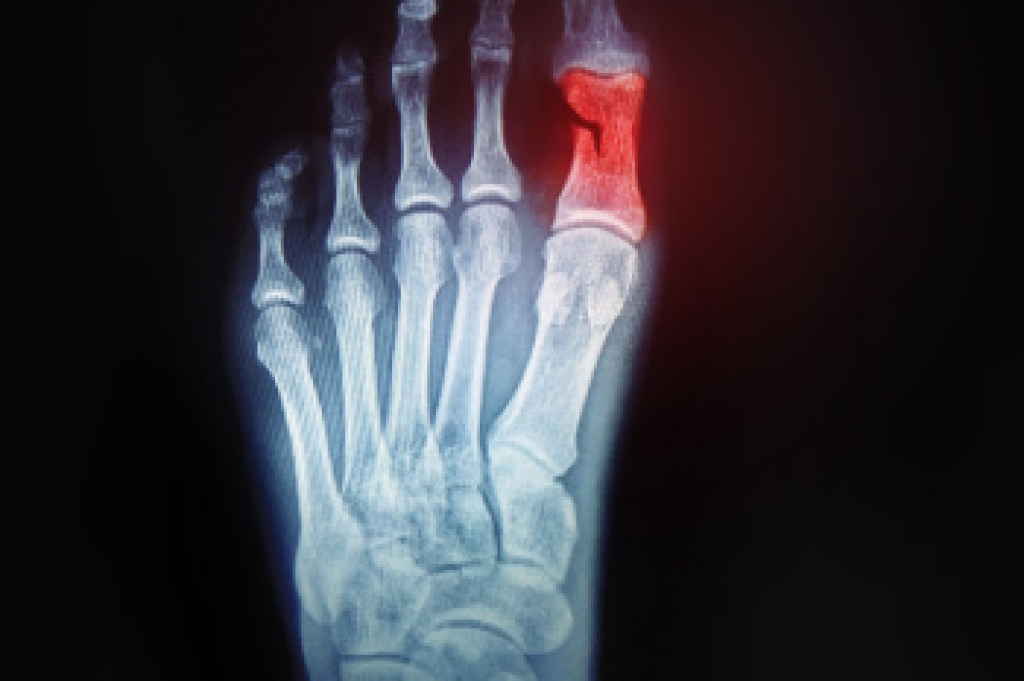
Recovering from a Lisfranc fracture often requires patience and a structured exercise plan to restore strength and mobility. This injury, commonly caused by a fall, sports impact, or vehicle accident, may leave the midfoot swollen, bruised, or visibly altered in shape. It can feel stiff, weak, or painful, especially when pushing off or standing for long periods. A podiatrist begins by evaluating healing through physical examination and imaging, then designs a gradual rehabilitation program. Exercises may include gentle stretching to improve flexibility, strengthening movements to rebuild arch support, and balance training to restore stability. These exercises are designed to progress carefully to avoid reinjury while encouraging safe movement. Combined with proper footwear and possible orthotics, exercise plays a key role in full recovery. If you suspect a Lisfranc fracture, it is suggested that you make an appointment with a podiatrist.

A broken foot requires immediate medical attention and treatment. If you need your feet checked, contact Chuc Dang, DPM from California . Our doctor can provide the care you need to keep you pain-free and on your feet.

Broken Foot Causes, Symptoms, and Treatment

A broken foot is caused by one of the bones in the foot typically breaking when bended, crushed, or stretched beyond its natural capabilities. Usually the location of the fracture indicates how the break occurred, whether it was through an object, fall, or any other type of injury. 

Common Symptoms of Broken Feet:

  • Bruising
  • Pain
  • Redness
  • Swelling
  • Blue in color
  • Numbness
  • Cold
  • Misshapen
  • Cuts
  • Deformities

Those that suspect they have a broken foot shoot seek urgent medical attention where a medical professional could diagnose the severity.

Treatment for broken bones varies depending on the cause, severity and location. Some will require the use of splints, casts or crutches while others could even involve surgery to repair the broken bones. Personal care includes the use of ice and keeping the foot stabilized and elevated.

If you have any questions, please feel free to contact our office located in Westminster, CA . We offer the newest diagnostic and treatment technologies for all your foot care needs.

Read more about Causes, Symptoms, and Treatment for a Broken Foot

Inspect Your Feet Regularly for Abnormalities if You're Diabetic

Diabetic patients often have decreased sensitivity in their feet, which makes a visual inspection of the feet even more important. If you're diabetic, having periodic screenings is extremely important for maintaining the overall health of your feet. 

Neuropathy and Toe Numbness and Tingling

Toe numbness and tingling are abnormal sensations often described as obdormition, which refers to a feeling of pins and needles or loss of sensation. These symptoms may be caused by peripheral neuropathy, where damaged nerves disrupt normal sensation in the feet. Diabetic neuropathy is a common form or neuropathy that develops from prolonged high blood sugar and can lead to burning, tingling, numbness, or pain in the toes. Symptoms may worsen at night or with prolonged standing. A podiatrist can evaluate nerve health, identify the underlying cause, and recommend treatment to protect sensation and prevent complications such as wounds or infections. If you notice ongoing numbness or tingling in your toes, it is suggested that you schedule an appointment with a podiatrist who can determine what the cause is, and offer effective relief tips.

Neuropathy

Neuropathy can be a potentially serious condition, especially if it is left undiagnosed. If you have any concerns that you may be experiencing nerve loss in your feet, consult with Chuc Dang, DPM from California . Our doctor will assess your condition and provide you with quality foot and ankle treatment for neuropathy.

What Is Neuropathy?

Neuropathy is a condition that leads to damage to the nerves in the body. Peripheral neuropathy, or neuropathy that affects your peripheral nervous system, usually occurs in the feet. Neuropathy can be triggered by a number of different causes. Such causes include diabetes, infections, cancers, disorders, and toxic substances.

Symptoms of Neuropathy Include:

  • Numbness
  • Sensation loss
  • Prickling and tingling sensations
  • Throbbing, freezing, burning pains
  • Muscle weakness

Those with diabetes are at serious risk due to being unable to feel an ulcer on their feet. Diabetics usually also suffer from poor blood circulation. This can lead to the wound not healing, infections occurring, and the limb may have to be amputated.

Treatment

To treat neuropathy in the foot, podiatrists will first diagnose the cause of the neuropathy. Figuring out the underlying cause of the neuropathy will allow the podiatrist to prescribe the best treatment, whether it be caused by diabetes, toxic substance exposure, infection, etc. If the nerve has not died, then it’s possible that sensation may be able to return to the foot.

Pain medication may be issued for pain. Electrical nerve stimulation can be used to stimulate nerves. If the neuropathy is caused from pressure on the nerves, then surgery may be necessary.

If you have any questions, please feel free to contact our office located in Westminster, CA . We offer the newest diagnostic and treatment technologies for all your foot care needs.

Read more about Neuropathy

Understanding Diabetes-Related Foot Ulcers

Diabetes-related foot ulcers are open sores that develop due to poor circulation, nerve damage, and prolonged pressure on the feet. They often appear on the bottom of the foot or near bony areas and may look like a shallow or deep wound with redness, drainage, or darkened surrounding skin. Because of nerve damage, it may not feel very painful at first, but some people notice pressure, aching, or signs of infection, such as swelling or odor. Causes include uncontrolled blood sugar, loss of sensation, and delayed wound healing. A podiatrist can help from the start by diagnosing the ulcer, assessing circulation and nerve function, and identifying risk factors. Early treatment may include wound care, debridement, and pressure relief. Care can then progress into advanced wound therapies, custom footwear, and long-term prevention strategies. Early intervention helps protect foot health and mobility. If you have foot complications from diabetes, it is suggested that you regularly see a podiatrist.

Diabetic foot care is important in preventing foot ailments such as ulcers. If you are suffering from diabetes or have any other concerns about your feet, contact Chuc Dang, DPM from California . Our doctor can provide the care you need to keep you pain-free and on your feet.

Diabetic Foot Care

Diabetes affects millions of people every year. The condition can damage blood vessels in many parts of the body, especially the feet. Because of this, taking care of your feet is essential if you have diabetes, and having a podiatrist help monitor your foot health is highly recommended.

The Importance of Caring for Your Feet

  • Routinely inspect your feet for bruises or sores.
  • Wear socks that fit your feet comfortably.
  • Wear comfortable shoes that provide adequate support.

Patients with diabetes should have their doctor monitor their blood levels, as blood sugar levels play such a huge role in diabetic care. Monitoring these levels on a regular basis is highly advised.

It is always best to inform your healthcare professional of any concerns you may have regarding your feet, especially for diabetic patients. Early treatment and routine foot examinations are keys to maintaining proper health, especially because severe complications can arise if proper treatment is not applied.

If you have any questions, please feel free to contact our office located in Westminster, CA . We offer the newest diagnostic and treatment technologies for all your foot care needs.

Read more about Diabetic Foot Conditions

Inspect Your Feet Regularly for Abnormalities if You're Diabetic

Diabetic patients often have decreased sensitivity in their feet, which makes a visual inspection of the feet even more important. If you're diabetic, having periodic screenings is extremely important for maintaining the overall health of your feet. 

Connect With Us