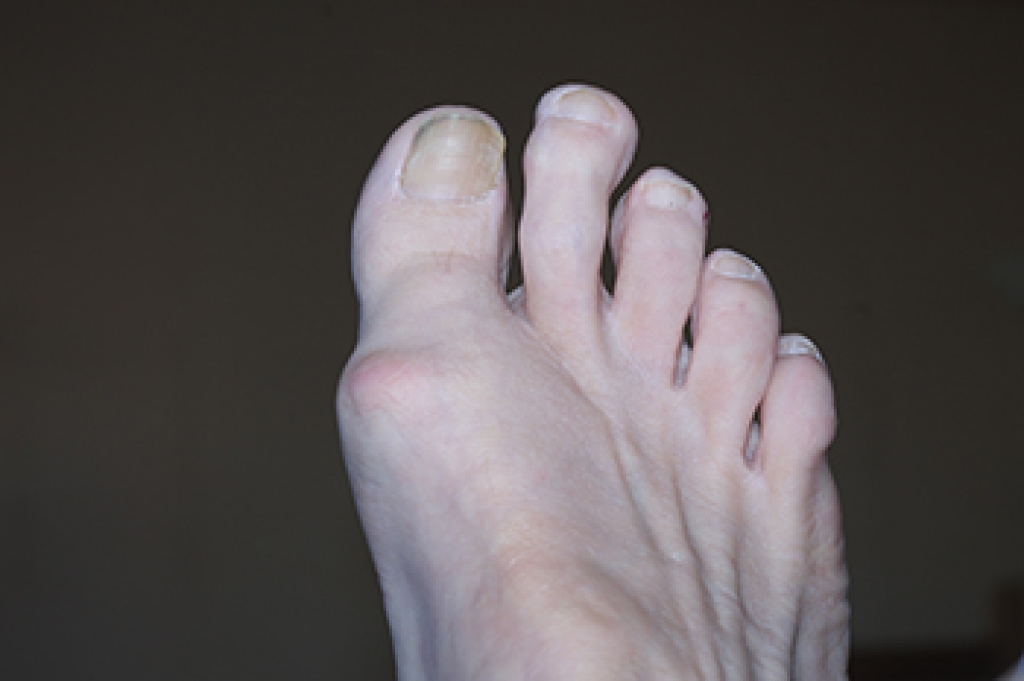
Dealing With a Longer 2nd Toe

Some people have a second toe that appears longer than the big toe, often called Morton’s toe. It is actually caused by a shorter bone in the big toe and can change how weight is spread across the front of the foot. More pressure may shift onto the second toe. This can lead to pain, buildup of calluses, and soreness in the ball of the foot. This uneven pressure can affect how you walk and may place extra strain on nearby joints. A podiatrist can examine the foot, watch how you walk, and take X-rays to better understand bone position. Treatment options include custom shoe inserts to improve weight balance, protective padding, or surgery in more severe cases to adjust bone length. Early care can help reduce stress on the toes and improve comfort during daily activities. If you are experiencing such toe pain, it is suggested that you make an appointment with a podiatrist for treatment.

Toe pain can disrupt your daily activities. If you have any concerns, contact Chuc Dang, DPM of California . Our doctor can provide the care you need to keep you pain-free and on your feet.

What Causes Toe Pain?

Most severe toe pain is caused due to a sports injury, trauma from dropping something heavy on the toe, or bumping into something rigid. Other problems can develop over time for various reasons.

Toe pain can be caused by one or more ailments. The most common include:

  • Trauma
  • Sports injury
  • Wearing shoes that are too tight
  • Arthritis
  • Gout
  • Corns and calluses
  • Hammertoe
  • Bunions
  • Blisters
  • Ingrown toenails
  • Sprains
  • Fractures (broken bones)
  • Dislocations

When to See a Podiatrist

  • Severe pain
  • Persistent pain that lasts more than a week
  • Signs of infection
  • Continued swelling
  • Pain that prevents walking

Diagnosis

In many cases the cause of toe pain is obvious, but in others, a podiatrist may want to use more advanced methods to determine the problem. These can range from simple visual inspections and sensation tests to X-rays and MRI scans. Prior medical history, family medical history, and any recent physical traumatic events will all be taken into consideration for a proper diagnosis.

Treatment

Treatments for toe pain and injuries vary and may include shoe inserts, padding, taping, medicines, injections, and in some cases, surgery. If you believe that you have broken a toe, please see a podiatrist as soon as possible.

If you have any questions please contact our office located in Westminster, CA . We offer the newest diagnostic and treatment technologies for all your foot and ankle needs.
Read more about Toe Pain

Ingrown Toenail Symptoms

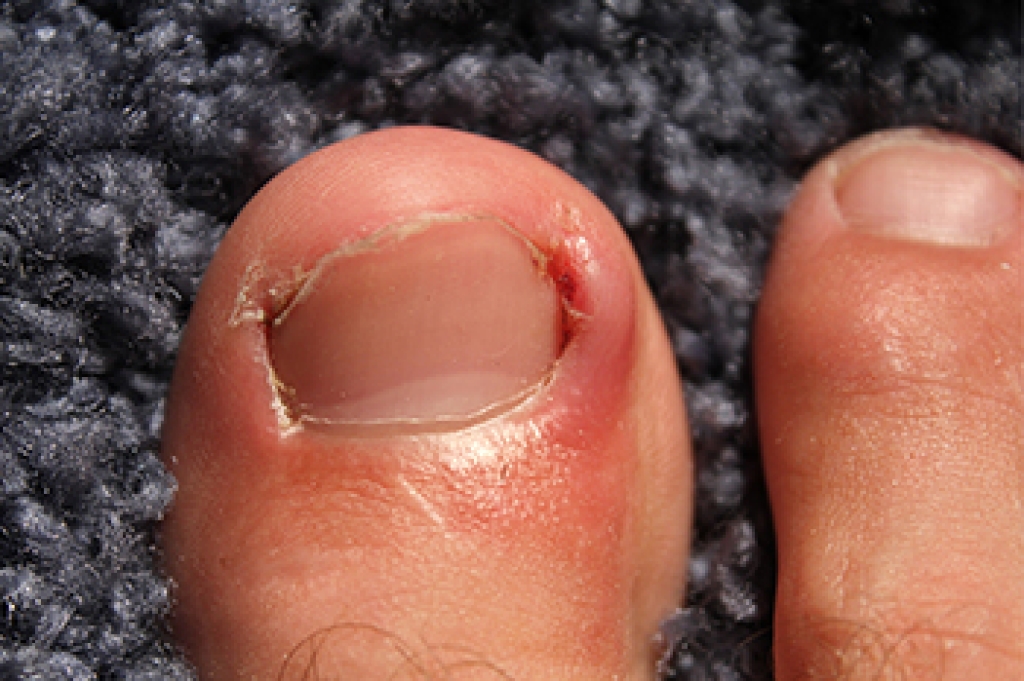
An ingrown toenail occurs when the edge of the nail grows into the surrounding skin, causing irritation and inflammation. Common symptoms include pain, redness, swelling, and sometimes drainage if infection develops. Risk factors include improper nail trimming, tight footwear, and environments that keep the feet warm and moist. Repetitive pressure or injury can also contribute to this condition. Without treatment, discomfort may worsen and limit daily activity. A podiatrist can safely treat the ingrown nail, relieve pressure, and provide guidance to prevent recurrence. Early care helps avoid complications and supports healthy nail growth. If you have a painful or infected ingrown toenail, it is suggested that you consult a podiatrist who can offer effective treatment solutions, which may include prescribed medication.

Ingrown toenails may initially present themselves as a minor discomfort, but they may progress into an infection in the skin without proper treatment. For more information about ingrown toenails, contact Chuc Dang, DPM of California . Our doctor can provide the care you need to keep you pain-free and on your feet.

Ingrown Toenails

Ingrown toenails are caused when the corner or side of a toenail grows into the soft flesh surrounding it. They often result in redness, swelling, pain, and in some cases, infection. This condition typically affects the big toe and may recur if it is not treated properly.

Causes

  • Improper toenail trimming
  • Genetics
  • Improper shoe fitting
  • Injury from pedicures or nail picking
  • Abnormal gait
  • Poor hygiene

You are more likely to develop an ingrown toenail if you are obese, have diabetes, arthritis, or have any fungal infection in your nails. Additionally, people who have foot or toe deformities are at a higher risk of developing an ingrown toenail.

Symptoms

Some symptoms of ingrown toenails are redness, swelling, and pain. In rare cases, there may be a yellowish drainage coming from the nail.

Treatment

Ignoring an ingrown toenail can have serious complications. Infections of the nail border can progress to a deeper soft-tissue infection, which can then turn into a bone infection. You should always speak with your podiatrist if you suspect you have an ingrown toenail, especially if you have diabetes or poor circulation.

If you have any questions, please feel free to contact our office located in Westminster, CA . We offer the newest diagnostic and treatment technologies for all your foot care needs.

Read more about Ingrown Toenails

Understanding Corns and Calluses and How They Are Treated

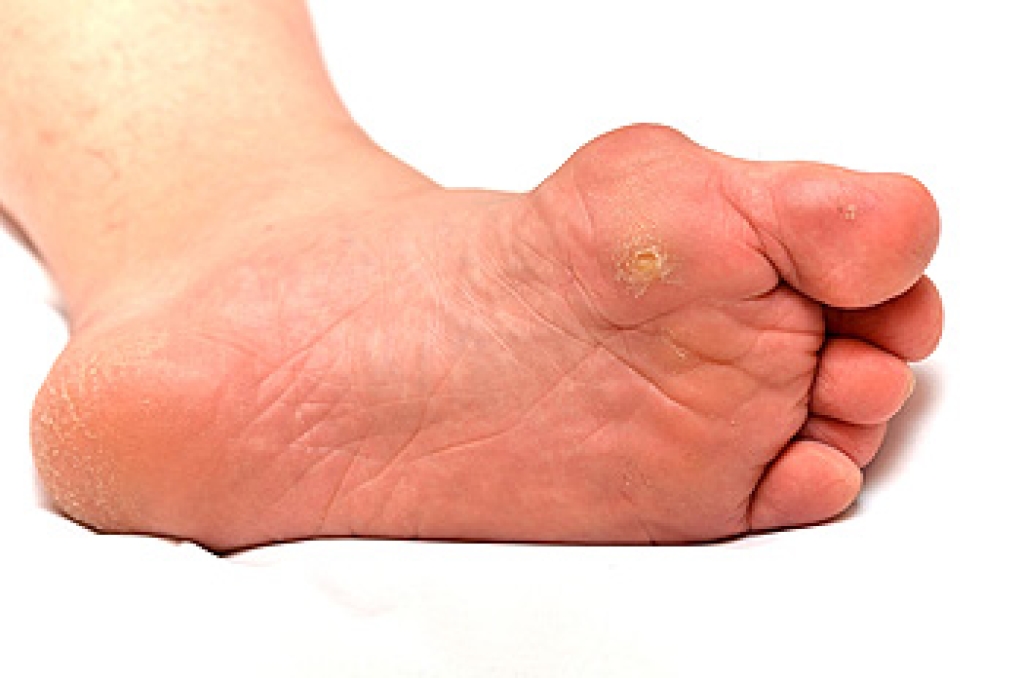
Corns and calluses are thickened areas of skin that develop from repeated pressure or friction. A corn is a small, focused area of hardened skin that often forms on or between toes and may feel painful due to its deeper core. A callus is a larger, flatter area that usually develops on the bottom of the foot, and may feel rough rather than painful. Treatment begins by reducing the source of pressure, which may include wearing better fitting shoes, padding, or custom orthotics. A podiatrist can safely trim thickened skin to relieve discomfort and improve function. In some cases, underlying foot structure or walking patterns need to be addressed to prevent the return of these problems. Avoid cutting these areas at home, as this can lead to injury or infection. If you have persistent thickened skin or pain on your feet, it is suggested that you see a podiatrist for a proper diagnosis and appropriate care.

Corns can make walking very painful and should be treated immediately. If you have questions regarding your feet and ankles, contact Chuc Dang, DPM of California . Our doctor will treat your foot and ankle needs.

Corns: What Are They? And How Do You Get Rid of Them?
Corns are thickened areas on the skin that can become painful. They are caused by excessive pressure and friction on the skin. Corns press into the deeper layers of the skin and are usually round in shape.

Ways to Prevent Corns
There are many ways to get rid of painful corns such as:

  • Wearing properly fitting shoes that have been measured by a professional
  • Wearing shoes that are not sharply pointed or have high heels
  • Wearing only shoes that offer support

Treating Corns

Although most corns slowly disappear when the friction or pressure stops, this isn’t always the case. Consult with your podiatrist to determine the best treatment option for your case of corns.

If you have any questions, please feel free to contact our office located in Westminster, CA . We offer the newest diagnostic and treatment technologies for all your foot care needs.

Read more about Understanding Corns and Calluses

Be Free of Toenail Fungus for Spring

Don't hide your feet when the weather gets warm. Get treated for fungal nails, and wear sandals and open-toed shoes with confidence. Step into spring with confidence!

How Wearing High Heel Shoes Affect Foot Health

High heeled shoes can significantly affect the natural structure and function of the feet. As the heel height increases, more body weight shifts forward, placing greater pressure on the toes and the ball of the foot. This increased forefoot pressure may lead to discomfort, and may contribute to the development of foot deformities, over time. Conditions such as bunions, hammertoes, and nerve irritation may occur when the toes are forced into a narrow shoe space. Continued stress on the arch and heel may also contribute to plantar fasciitis, a painful inflammation of the connective tissue along the bottom of the foot. A podiatrist can evaluate foot alignment and provide supportive care. If you enjoy wearing high heels and have developed foot pain, it is suggested that you consult a podiatrist who can treat various foot and ankle conditions, and guide you toward more desirable shoes to wear.

High heels have a history of causing foot and ankle problems. If you have any concerns about your feet or ankles, contact Chuc Dang, DPM from California . Our doctor can provide the care you need to keep you pain-free and on your feet.

Effects of High Heels on the Feet

High heels are popular shoes among women because of their many styles and societal appeal.  Despite this, high heels can still cause many health problems if worn too frequently.

Which Parts of My Body Will Be Affected by High Heels?

  • Ankle Joints
  • Achilles Tendon – May shorten and stiffen with prolonged wear
  • Balls of the Feet
  • Knees – Heels cause the knees to bend constantly, creating stress on them
  • Back – They decrease the spine’s ability to absorb shock, which may lead to back pain.  The vertebrae of the lower back may compress.

What Kinds of Foot Problems Can Develop from Wearing High Heels?

  • Corns
  • Calluses
  • Hammertoe
  • Bunions
  • Morton’s Neuroma
  • Plantar Fasciitis

How Can I Still Wear High Heels and Maintain Foot Health?

If you want to wear high heeled shoes, make sure that you are not wearing them every day, as this will help prevent long term physical problems.  Try wearing thicker heels as opposed to stilettos to distribute weight more evenly across the feet.  Always make sure you are wearing the proper shoes for the right occasion, such as sneakers for exercising.  If you walk to work, try carrying your heels with you and changing into them once you arrive at work.  Adding inserts to your heels can help cushion your feet and absorb shock. Full foot inserts or metatarsal pads are available. 

If you have any questions, please feel free to contact our office located in Westminster, CA . We offer the newest diagnostic and treatment technologies for all your foot care needs.

Read more about Effect of High Heels on the Feet

Connect With Us