Understanding Foot Fractures and Podiatric Care

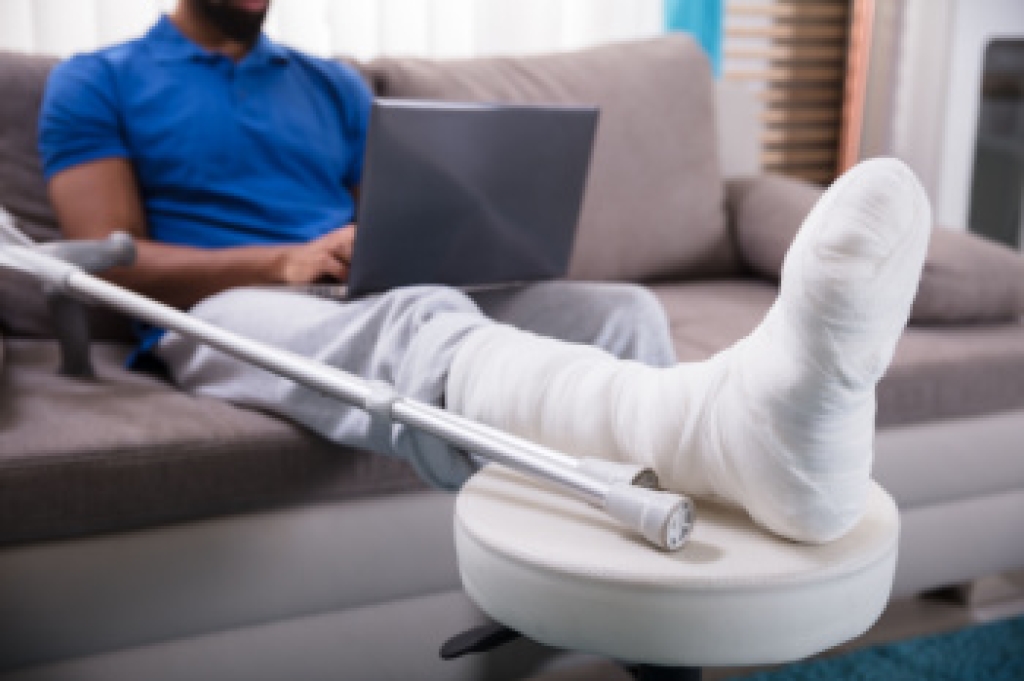
A broken foot can make standing and walking painful because the foot carries body weight with every step. The foot contains 26 bones that work with joints, muscles, and tendons to support movement. A fracture means that one or more of these bones has cracked or broken. Causes include falls, crush injuries, and direct blows. Twisting injuries can also break bones. Stress fractures can develop from repeated force linked to activities like walking or running. The location of the injury helps determine how serious the fracture is and how long recovery can take.

Pain, swelling, and bruising are important signs of a broken foot. Patients can also develop tenderness or a limp, and putting weight on the injured foot can become very painful. A badly displaced fracture can change the shape of the foot. Numbness or tingling in the toes can point to nerve involvement. Some fractures break through the skin, creating an open wound and a greater risk of infection. X-rays can show many foot fractures. Certain injuries can require additional imaging when the fracture is difficult to see or involves a complex area of the foot.

A podiatrist can examine the foot, identify where the pain is located, and check movement and circulation. Treatment depends on which bone is broken and whether the pieces remain properly aligned. A podiatrist can prescribe a stiff-soled shoe, walking boot, or cast to protect certain fractures. Some displaced or complex fractures require surgery to restore stability and proper bone position. Careful treatment is important because complications can include poor bone healing, arthritis, and infection. A podiatrist can monitor healing and determine when the foot can safely handle more weight. If you have broken your foot, it is suggested that you schedule an appointment with a podiatrist effective treatment solutions.

A broken foot requires immediate medical attention and treatment. If you need your feet checked, contact Chuc Dang, DPM from California . Our doctor can provide the care you need to keep you pain-free and on your feet.

Broken Foot Causes, Symptoms, and Treatment

A broken foot is caused by one of the bones in the foot typically breaking when bended, crushed, or stretched beyond its natural capabilities. Usually the location of the fracture indicates how the break occurred, whether it was through an object, fall, or any other type of injury. 

Common Symptoms of Broken Feet:

  • Bruising
  • Pain
  • Redness
  • Swelling
  • Blue in color
  • Numbness
  • Cold
  • Misshapen
  • Cuts
  • Deformities

Those that suspect they have a broken foot shoot seek urgent medical attention where a medical professional could diagnose the severity.

Treatment for broken bones varies depending on the cause, severity and location. Some will require the use of splints, casts or crutches while others could even involve surgery to repair the broken bones. Personal care includes the use of ice and keeping the foot stabilized and elevated.

If you have any questions, please feel free to contact our office located in Westminster, CA . We offer the newest diagnostic and treatment technologies for all your foot care needs.

Read more about Causes, Symptoms, and Treatment for a Broken Foot

Hidden Risks of Flip-Flops and Foot Health

Flip-flops are a popular type of open-toed footwear known for their convenience and lightweight design. While they are often worn in warm weather, they provide minimal support and protection for the feet. This lack of structure can place added strain on muscles and joints, especially with prolonged use. Understanding how flip-flops affect foot health helps individuals make informed decisions about when and how to wear them safely.

Symptoms associated with frequent flip-flop wear include aching feet, soreness in the arches, and fatigue after walking. Because these shoes lack proper cushioning and arch support, the foot must work harder to maintain stability. This can lead to discomfort and imbalance. Some individuals may also experience heel pain or strain in the toes due to gripping the sandal while walking. These symptoms can become more noticeable with extended wear.


Wearing flip-flops in certain situations can increase the risk of foot problems. Long distance walking, sports activities, and driving are times when supportive footwear is more appropriate. Flip-flops do not provide the stability needed for these activities, increasing the risk of injury. Foot conditions like plantar fasciitis, tendon strain, and stress-related discomfort may develop with repeated use. Risk factors include prolonged standing, existing foot conditions, and improper footwear habits.


A podiatrist may address issues caused by flip-flops by evaluating foot structure, recommending supportive shoes, and suggesting custom orthotics, if needed. Treatment may also include stretching exercises and methods to reduce inflammation. Choosing footwear with proper support can help prevent recurring pain and improve overall foot function. Being mindful of when to wear flip-flops supports better long-term foot health. If you have foot pain from wearing flip-flops, it is suggested that you consult a podiatrist for effective relief tips and guidance on choosing more appropriate shoes. 

Flip-flops can cause a lot of problems for your feet. If you have any concerns about your feet or ankles, contact Chuc Dang, DPM from California . Our doctor will assist you with all of your foot and ankle needs.

Flip-Flops and Feet

Flip-flops have managed to become a summer essential for a lot of people. While the shoes may be stylish and easy to slip on and off, they can be dangerous to those who wear them too often. These shoes might protect you from fungal infections such as athlete’s foot, but they can also give you foot pain and sprained ankles if you trip while wearing them.

When Are They Okay to Wear?

Flip-flops should only be worn for very short periods of time. They can help protect your feet in places that are crawling with fungi, such as gym locker rooms. Athlete’s foot and plantar warts are two common fungi that flip-flops may help protect your feet against.

Why Are They Bad for My Feet?

These shoes do not offer any arch support, so they are not ideal for everyday use. They also do not provide shock absorption or heel cushioning which can be problematic for your feet. Additionally, you may suffer from glass cuts, puncture wounds, and stubbed toes since they offer little protection for your feet.

More Reasons Why They Are Bad for Your Feet

  • They Slow You Down
  • May Cause Blisters and Calluses
  • Expose Your Feet to Bacteria

If you have any questions, please feel free to contact our office located in Westminster, CA . We offer the newest diagnostic and treatment technologies for all your foot care needs.

Read more about Flip Flops and Feet

Connect With Us