
Suffering from this type of pain? You may have the foot condition known as Morton's neuroma. Morton's neuroma may develop as a result of ill-fitting footwear and existing foot deformities. We can help.
Suffering from this type of pain? You may have the foot condition known as Morton's neuroma. Morton's neuroma may develop as a result of ill-fitting footwear and existing foot deformities. We can help.

Ankle pain is a common complaint among active individuals and can affect mobility, balance, and daily comfort. It refers to discomfort or inflammation in the joint where the foot meets the leg. One frequent cause of ankle pain is anterior tibial tendonitis, a condition involving irritation of the tendon that runs along the front of the ankle and helps lift the foot. This condition is often linked to repetitive exercises and overuse, especially in runners, walkers, and individuals who increase activity levels too quickly. Understanding this condition can help prevent long-term complications and improve overall foot health.
Anterior tibial tendonitis develops when the tendon becomes inflamed due to repeated stress. Activities such as running on hard surfaces, uphill walking, or high intensity workouts can strain the tendon. Symptoms often include pain along the front of the ankle, swelling, and tenderness. Difficulty lifting the foot can also occur. Some individuals may notice stiffness in the morning or discomfort that worsens with activity. If left untreated, the condition may lead to weakness or reduced range of motion, making everyday movements more difficult.
Risk factors for ankle pain and anterior tibial tendonitis include wearing improper footwear, poor foot alignment, and inadequate warm up routines. Flat feet or high arches can place extra stress on the tendon, increasing the likelihood of injury. Overuse is another major contributor, especially when individuals perform repetitive exercises without allowing proper recovery time. Sudden increases in intensity or duration of activity can also overload the tendon and lead to inflammation. Recognizing these risk factors is essential for prevention and early intervention.
Managing ankle pain involves reducing strain on the affected area and improving overall support. Wearing well-fitted shoes with proper arch support can help stabilize the foot and reduce stress on the tendon. Stretching and strengthening exercises may improve flexibility and resilience. If you have ankle pain, it is suggested that you consult a podiatrist who can accurately diagnose and treat anterior tibial tendonitis.
Ankle pain can have many different causes and the pain may potentially be serious. If you have ankle pain, consult with Chuc Dang, DPM from California . Our doctor will assess your condition and provide you with quality foot and ankle treatment.
Ankle pain is any condition that causes pain in the ankle. Due to the fact that the ankle consists of tendons, muscles, bones, and ligaments, ankle pain can come from a number of different conditions.
Causes
The most common causes of ankle pain include:
Symptoms
Symptoms of ankle injury vary based upon the condition. Pain may include general pain and discomfort, swelling, aching, redness, bruising, burning or stabbing sensations, and/or loss of sensation.
Diagnosis
Due to the wide variety of potential causes of ankle pain, podiatrists will utilize a number of different methods to properly diagnose ankle pain. This can include asking for personal and family medical histories and of any recent injuries. Further diagnosis may include sensation tests, a physical examination, and potentially x-rays or other imaging tests.
Treatment
Just as the range of causes varies widely, so do treatments. Some more common treatments are rest, ice packs, keeping pressure off the foot, orthotics and braces, medication for inflammation and pain, and surgery.
If you have any questions please feel free to contact our office located in Westminster, CA . We offer the newest diagnostic tools and technology to treat your foot and ankle needs.
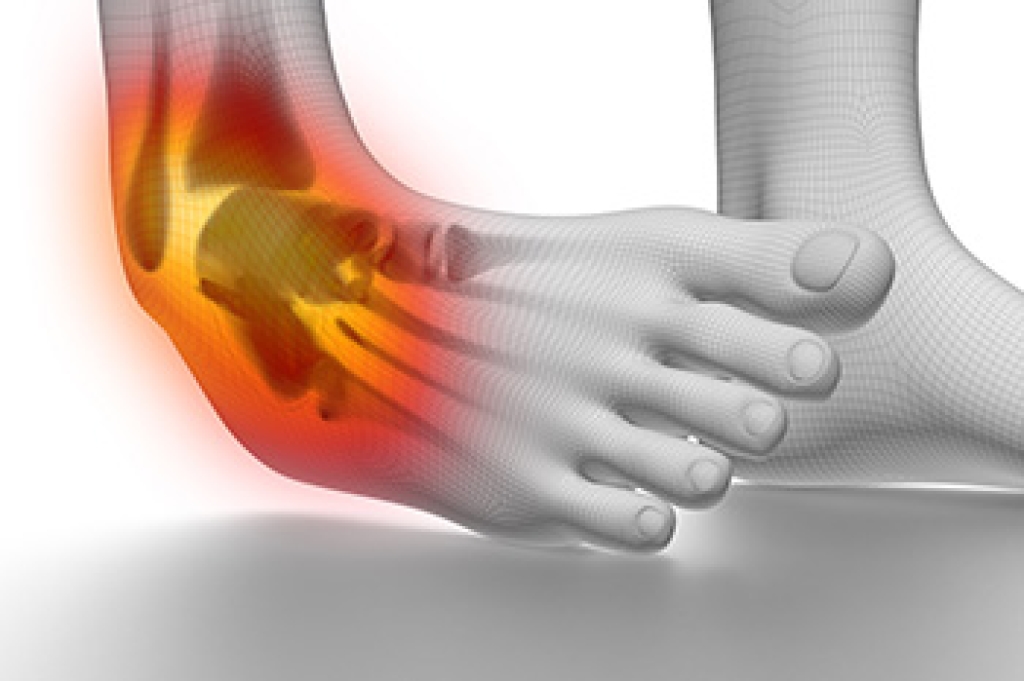
Ankle sprains occur when the ligaments that support the ankle are stretched or torn. This typically happens during sudden twisting movements, awkward landings, or uneven surfaces. While many ankle sprains heal with proper care, some cases may involve nerve damage, which can lead to more complex symptoms. Understanding the definition and causes of ankle sprains, along with the potential for nerve involvement, is important for early recognition and effective treatment.
Symptoms of a typical ankle sprain include pain, swelling, bruising, and limited movement. However, when nerve damage is present, additional signs may appear. These include radiating pain that travels beyond the ankle, altered skin sensation such as tingling or numbness, and unusual sensitivity to touch. In more severe cases, individuals may experience foot drop, which makes it difficult to lift the front part of the foot. Loss of muscle size can also occur if nerve signals are disrupted. These symptoms require careful attention, as they may indicate a more serious condition.
Risk factors for ankle sprains include participation in sports, walking on uneven terrain, and wearing improper footwear. Repeated sprains can increase the likelihood of nerve irritation or damage. High-impact activities and poor balance may also contribute to injury. When the ankle is unstable, nearby nerves may become compressed or stretched, leading to ongoing symptoms. Recognizing these risk factors can help individuals take preventive measures and reduce the chance of complications.
Proper care and early evaluation are essential for managing ankle injuries and preventing long-term effects. Rest, support, and gradual rehabilitation can help restore strength and stability. If signs of nerve damage are present, specialized treatment may be needed to protect function and mobility. If you suspect nerve damage from an ankle sprain, it is suggested that you consult a podiatrist for an accurate diagnosis and appropriate treatment.
Although ankle sprains are common, they aren’t always minor injuries. If you need your ankle injury looked at, contact Chuc Dang, DPM from California . Our doctor can provide the care you need to keep you pain-free and on your feet.
How Does an Ankle Sprain Occur?
Ankle sprains are the result of a tear in the ligaments within the ankle. These injuries may happen when you make a rapid shifting movement while your foot is planted. A less common way to sprain your ankle is when your ankle rolls inward while your foot turns outward.
What Are the Symptoms?
Preventing a Sprain
Treatment of a Sprain
In many cases, the RICE method (Rest, Ice, Compression, and Elevate) is used to treat ankle sprains. However, you should see a podiatrist to see which treatment option would work best with your injury. In severe cases, surgery may be required.
It is important to ask your doctor about rehab options after you receive treatment for your injury. Stretching, strength training, and balance exercises may help the ankle heal while also preventing further injury.
If you have any questions, please feel free to contact our office located in Westminster, CA . We offer the newest diagnostic and treatment technologies for all your foot care needs.

Heel pain in children often occurs during periods of rapid growth. Sever’s disease is frequently linked to overuse and strain on the developing structures of the foot. Children between the ages of eight and 14 are especially at risk because their bones may grow faster than the surrounding muscles and tendons. This imbalance can place added tension on the heel, leading to irritation and pain. Active children who participate in sports that involve running and jumping may experience this condition more often.
Symptoms of heel pain in children include tenderness at the back or bottom of the heel, discomfort during physical activity, and stiffness after rest. Some children may limp or avoid placing full weight on the affected foot. Pain may increase during sports and improve with rest, but it can return when activity resumes. In some cases, swelling or tightness in the calf muscles may also be present. Early recognition of these symptoms can help prevent worsening discomfort and support proper healing.
The main cause of heel pain in children, often called Sever’s disease, can be related to growth spurts. During their adolescent years, the heel bone grows rapidly, while the surrounding muscles and tendons may not keep pace. This can lead to increased tension on the heel. Repetitive impact from sports and physical activities can further strain the area. Relief often includes stretching exercises to improve flexibility and reduce stress on the heel. Parents should never push children through heel pain, as this can lead to more serious issues.
Risk factors for heel pain in children include high levels of physical activity, tight calf muscles, and participation in sports played on hard surfaces. Early attention is important for maintaining comfort and mobility. If your active child has heel pain, it is suggested that you consult a podiatrist for effective relief and management solutions.
Sever's disease often occurs in children and teens. If your child is experiencing foot or ankle pain, see Chuc Dang, DPM from California . Our doctor can treat your child’s foot and ankle needs.
Sever’s Disease
Sever’s disease is also known as calcaneal apophysitis, which is a medical condition that causes heel pain I none or both feet. The disease is known to affect children between the ages of 8 and 14.
Sever’s disease occurs when part of the child’s heel known as the growth plate (calcaneal epiphysis) is attached to the Achilles tendon. This area can suffer injury when the muscles and tendons of the growing foot do not keep pace with bone growth. Therefore, the constant pain which one experiences at the back of the heel will make the child unable to put any weight on the heel. The child is then forced to walk on their toes.
Symptoms
Acute pain – Pain associated with Sever’s disease is usually felt in the heel when the child engages in physical activity such as walking, jumping and or running.
Highly active – Children who are very active are among the most susceptible in experiencing Sever’s disease, because of the stress and tension placed on their feet.
If you have any questions, please feel free to contact our office located in Westminster, CA . We offer the newest diagnostic and treatment technologies for all your foot care needs.

Corns are thick, hardened areas of skin that develop when repeated pressure or friction affects a specific part of the foot. Unlike a callus, which usually covers a larger area, a corn is smaller and has a firm center that can become quite painful. Corns usually form on the tops or sides of the toes or between the toes where rubbing occurs. Wearing shoes that are too tight, shoes that are too loose, and high heels can all increase pressure on the skin. Foot problems like hammertoes or claw toes also raise the risk because they change the way the toes press against shoes. As the skin thickens to protect itself, discomfort while walking can become harder to ignore.
A podiatrist can identify a corn with a careful examination and determine what is causing the repeated pressure. Finding the underlying cause is important because simply removing the thickened skin does not prevent the corn from returning. Treatment includes gently trimming the hardened skin in the office to relieve discomfort. A podiatrist can also evaluate toe deformities and explain whether surgery is the best option when a structural problem continues to create excessive pressure. Patients also receive guidance about choosing shoes with a roomy toe area and avoiding shoes that lack proper support. These steps help reduce pressure on sensitive areas and improve comfort with daily activities.
Ignoring a painful corn can make standing and walking more difficult while increasing irritation around the affected area. Early care helps relieve discomfort before the problem becomes more limiting. A podiatrist can recommend treatment that matches your foot structure and activity level while helping reduce repeated pressure on vulnerable areas. Prompt evaluation also helps identify related foot problems before they become more serious. If you have developed corns on the feet, it is suggested that you schedule an appointment with a podiatrist for a diagnosis and appropriate treatment.
Corns can make walking very painful and should be treated immediately. If you have questions regarding your feet and ankles, contact Chuc Dang, DPM of California . Our doctor will treat your foot and ankle needs.
Corns: What Are They? And How Do You Get Rid of Them?
Corns are thickened areas on the skin that can become painful. They are caused by excessive pressure and friction on the skin. Corns press into the deeper layers of the skin and are usually round in shape.
Ways to Prevent Corns
There are many ways to get rid of painful corns such as:
Treating Corns
Although most corns slowly disappear when the friction or pressure stops, this isn’t always the case. Consult with your podiatrist to determine the best treatment option for your case of corns.
If you have any questions, please feel free to contact our office located in Westminster, CA . We offer the newest diagnostic and treatment technologies for all your foot care needs.
Connect With Us