Dealing With Diabetic Foot Problems

Diabetes can affect the feet in several ways and can lead to serious problems when not managed properly. High blood sugar can damage nerves and reduce blood flow to the feet. Nerve damage, called neuropathy, can cause numbness, burning, or tingling sensations. Some people lose the ability to feel pain or temperature changes. As a result, cuts, blisters, and other injuries can go unnoticed. Reduced blood flow slows healing and makes it harder for the body to fight infection. Even a small wound can become a larger problem when it is not discovered quickly. This is why people with diabetes should pay close attention to any changes in their feet.

Common diabetic foot problems include dry skin, cracked heels, and thick calluses. Some people develop foot ulcers, which are open sores that can form on the bottom of the foot. Ulcers can become infected and lead to serious tissue damage. Diabetes also increases the risk of foot deformities, such as hammertoes and bunions. These conditions can create pressure points that raise the risk of skin breakdown. Swelling, redness, and drainage from a wound should never be ignored. Pain can also occur, although people with neuropathy may feel very little discomfort despite having a serious foot condition.

A podiatrist plays an important role in identifying and managing diabetic foot problems. A thorough foot examination can reveal signs of poor circulation, nerve damage, and developing wounds. Treatment includes caring for ulcers, removing thickened skin, and helping reduce pressure on painful areas. Additional treatment can address infections and foot deformities. Early diagnosis is important because untreated diabetic foot problems can lead to severe infections and tissue loss. Prompt care helps protect foot health and supports mobility. If you have foot problems related to diabetes, it is suggested that you make an appointment with a podiatrist for an exam and help in managing this serious condition.

Diabetic foot care is important in preventing foot ailments such as ulcers. If you are suffering from diabetes or have any other concerns about your feet, contact Chuc Dang, DPM from California . Our doctor can provide the care you need to keep you pain-free and on your feet.

Diabetic Foot Care

Diabetes affects millions of people every year. The condition can damage blood vessels in many parts of the body, especially the feet. Because of this, taking care of your feet is essential if you have diabetes, and having a podiatrist help monitor your foot health is highly recommended.

The Importance of Caring for Your Feet

  • Routinely inspect your feet for bruises or sores.
  • Wear socks that fit your feet comfortably.
  • Wear comfortable shoes that provide adequate support.

Patients with diabetes should have their doctor monitor their blood levels, as blood sugar levels play such a huge role in diabetic care. Monitoring these levels on a regular basis is highly advised.

It is always best to inform your healthcare professional of any concerns you may have regarding your feet, especially for diabetic patients. Early treatment and routine foot examinations are keys to maintaining proper health, especially because severe complications can arise if proper treatment is not applied.

If you have any questions, please feel free to contact our office located in Westminster, CA . We offer the newest diagnostic and treatment technologies for all your foot care needs.


Read more about How to Care for Diabetic Foot

Why Ankle Swelling Changes With the Seasons

Ankle swelling can become more noticeable during certain times of year, especially in warmer weather. Heat causes blood vessels to widen, which can allow more fluid to collect in the lower legs and ankles, particularly after long periods of standing or sitting. Summer travel, increased outdoor activity, and dehydration can also contribute to swelling. Colder months may bring different concerns, including reduced activity levels that slow circulation and allow fluid buildup. Seasonal footwear changes can play a role as well, since less supportive shoes may place added stress on the feet and ankles. While occasional mild swelling may be related to environmental factors, persistent or one-sided swelling can signal circulation problems, vein issues, injury, inflammation, or other medical concerns. A podiatrist can help determine whether swelling is mechanical or related to an underlying condition. If ankle swelling becomes frequent, painful, or unexplained, it is suggested that you visit a podiatrist for evaluation and appropriate relief and management solutions.

Ankle pain can be caused by a number of problems and may be potentially serious. If you have ankle pain, consult with Chuc Dang, DPM from California . Our doctor will assess your condition and provide you with quality foot and ankle treatment.

Ankle pain is any condition that causes pain in the ankle. Due to the fact that the ankle consists of tendons, muscles, bones, and ligaments, ankle pain can come from a number of different conditions.

Causes

The most common causes of ankle pain include:

  • Types of arthritis (rheumatoid, osteoarthritis, and gout)
  • Ankle sprains
  • Broken ankles
  • Achilles tendonitis
  • Achilles tendon rupture
  • Stress fractures
  • Bursitis
  • Tarsal tunnel syndrome
  • Plantar fasciitis

Symptoms

Symptoms of ankle injury vary based upon the condition. Pain may include general pain and discomfort, swelling, aching, redness, bruising, burning or stabbing sensations, and/or loss of sensation.

Diagnosis

Due to the wide variety of potential causes of ankle pain, podiatrists will utilize a number of different methods to properly diagnose ankle pain. This can include asking for personal and family medical histories and of any recent injuries. Further diagnosis may include sensation tests, a physical examination, and potentially x-rays or other imaging tests.

Treatment

Just as the range of causes varies widely, so do treatments. Some more common treatments are rest, ice packs, keeping pressure off the foot, orthotics and braces, medication for inflammation and pain, and surgery.

If you have any questions please feel free to contact our office located in Westminster, CA . We offer the newest diagnostic tools and technology to treat your foot and ankle needs.

Read more about Various Causes of Ankle Pain

What Causes Foot Corns?

Corns are thick, hardened areas of skin that develop on the feet due to repeated pressure or friction. They often appear as small, raised bumps that may feel hard or tender while walking or wearing shoes. Corns commonly form on the toes or areas where bones press against footwear. This happens when the skin tries to protect itself from ongoing irritation, often caused by wearing tight shoes, high heels, or abnormal walking patterns. Symptoms include pain, sensitivity, and a rough or dry texture in the affected area. Risk factors include wearing poorly fitted shoes, foot deformities, and long periods of standing or walking. Over time, corns may become more painful and interfere with daily comfort. A podiatrist can safely remove corns, assess foot structure, and help prevent recurrence through proper care. Corns can be painful and may cause difficulty in completing daily activities. If you have a corn, it is suggested that you consult a podiatrist who can offer effective relief and prevention tips.

If you have any concerns regarding your feet and ankles, contact Chuc Dang, DPM of California . Our doctor will treat your foot and ankle needs.

Corns: What Are They? and How Do You Get Rid of Them?
Corns can be described as areas of the skin that have thickened to the point of becoming painful or irritating. They are often layers and layers of the skin that have become dry and rough, and are normally smaller than calluses.

Ways to Prevent Corns
There are many ways to get rid of painful corns such as wearing:

  • Well-fitting socks
  • Comfortable shoes that are not tight around your foot
  • Shoes that offer support

Treating Corns
Treatment of corns involves removing the dead skin that has built up in the specific area of the foot. Consult with Our doctor to determine the best treatment option for your case of corns.

If you have any questions, please feel free to contact our office located in Westminster, CA . We offer the newest diagnostic and treatment technologies for all your foot care needs.
Read more about Corns and Calluses

Understanding Gout Symptoms

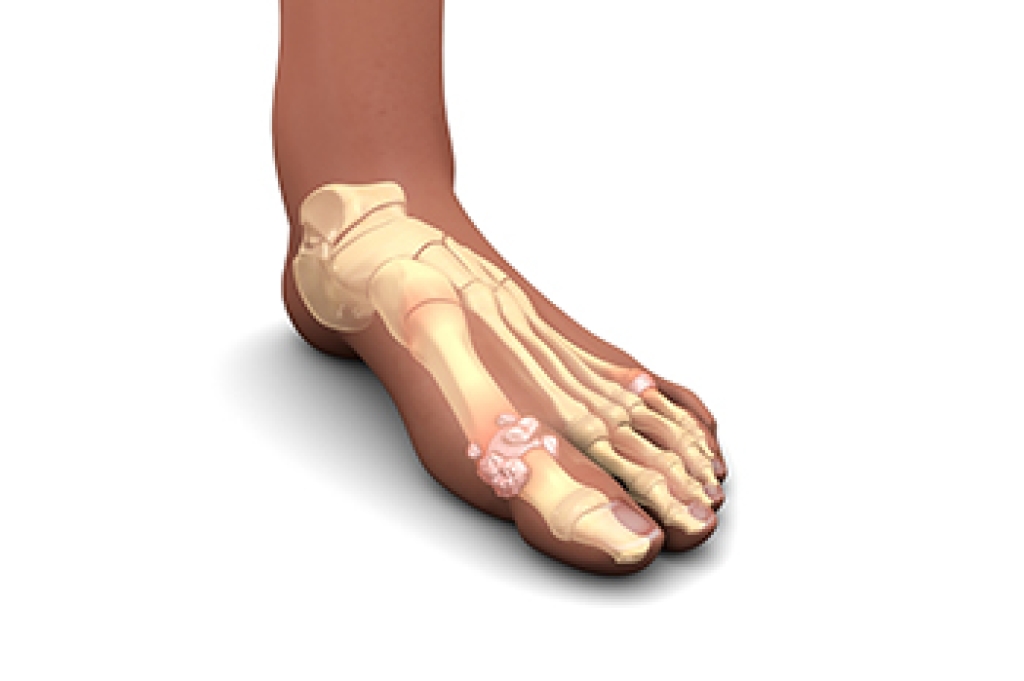
Gout is a form of inflammatory arthritis that develops when uric acid crystals build up in a joint, most often with severe pain in the big toe. The condition usually appears suddenly, often at night, with intense pain, redness, warmth, and swelling. Some people describe the pain as sharp and throbbing, making even light pressure uncomfortable. Risk factors include older age, diets high in red meat or sugary drinks, certain medications, and excess body weight. Gout happens when the body either produces too much uric acid or cannot remove it effectively. Flare-ups may come and go, but without proper care, they can become more frequent. A podiatrist can diagnose gout, confirm it with testing, and provide treatments that reduce pain and prevent joint damage. Gout can be very painful and may cause difficulty in completing daily tasks. If you have symptoms of gout, it is strongly suggested that you are under the care of a podiatrist who can help you to manage this painful condition.

Gout is a painful condition that can be treated. If you are seeking treatment, contact Chuc Dang, DPM from California . Our doctor will treat your foot and ankle needs.

What Is Gout?

Gout is a form of arthritis that is characterized by sudden, severe attacks of pain, redness, and tenderness in the joints. The condition usually affects the joint at the base of the big toe. A gout attack can occur at any random time, such as the middle of the night while you are asleep.

Symptoms

  • Intense Joint Pain - Usually around the large joint of your big toe, and it most severe within the first four to twelve hours
  • Lingering Discomfort - Joint discomfort may last from a few days to a few weeks
  • Inflammation and Redness -Affected joints may become swollen, tender, warm and red
  • Limited Range of Motion - May experience a decrease in joint mobility

Risk Factors

  • Genetics - If family members have gout, you’re more likely to have it
  • Medications - Diuretic medications can raise uric acid levels
  • Gender/Age - Gout is more common in men until the age of 60. It is believed that estrogen protects women until that point
  • Diet - Eating red meat and shellfish increases your risk
  • Alcohol - Having more than two alcoholic drinks per day increases your risk
  • Obesity - Obese people are at a higher risk for gout

Prior to visiting your podiatrist to receive treatment for gout, there are a few things you should do beforehand. If you have gout you should write down your symptoms--including when they started and how often you experience them, important medical information you may have, and any questions you may have. Writing down these three things will help your podiatrist in assessing your specific situation so that he or she may provide the best route of treatment for you.

If you have any questions, please feel free to contact our office located in Westminster, CA . We offer the newest diagnostic and treatment technologies for all your foot care needs.

Read more about Everything You Need to Know About Gout

Why Foot Pain Happens While Cycling

Foot pain while cycling can develop from improper support and positioning during rides. Wearing the right shoes is important because cycling shoes should provide a secure fit and proper stiffness to support efficient movement. Cleat positioning also plays a key role, as misaligned cleats can place excess pressure on certain areas of the foot and lead to discomfort. Insoles can improve arch support and help distribute pressure more evenly, reducing strain during longer rides. Symptoms include numbness, burning, or aching in the feet. Risk factors include poor bike fit, repetitive motion, and inadequate support. A podiatrist can evaluate foot structure, recommend proper footwear and orthotics, and help you improve alignment. If you enjoy cycling and have developed foot pain, it is suggested that you consult a podiatrist who can treat various foot and ankle conditions.

Ankle and foot injuries are common among athletes and in many sports. They can be caused by several problems and may be potentially serious. If you are feeling pain or think you were injured in a sporting event or when exercising, consult with Chuc Dang, DPM from California . Our doctor will assess your condition and provide you with quality foot and ankle treatment.

Common Injuries

The most common injuries that occur in sporting activities include:

  • Achilles Tendonitis
  • Achilles Tendon Rupture
  • Ankle Sprains
  • Broken Foot
  • Plantar Fasciitis
  • Stress Fractures
  • Turf Toe

Symptoms

Symptoms vary depending upon the injury and in some cases, there may be no symptoms at all. However, in most cases, some form of symptom is experienced. Pain, aching, burning, bruising, tenderness, tightness or stiffness, sensation loss, difficulty moving, and swelling are the most common symptoms.

Treatment

Just as symptoms vary depending upon the injury, so do treatment options. A common treatment method is known as the RICE method. This method involves rest, applying ice, compression and elevating the afflicted foot or ankle. If the injury appears to be more serious, surgery might be required, such as arthroscopic or reconstructive surgery. Lastly, rehabilitation or therapy might be needed to gain full functionality in the afflicted area. Any discomfort experienced by an athlete must be evaluated by a licensed, reputable medical professional.  

If you have any questions please contact our office located in Westminster, CA . We offer the newest diagnostic and treatment technologies for all your foot and ankle needs.

Read more about Sports Related Foot and Ankle Injuries

Connect With Us