Understanding Hammertoe and Toe Pain

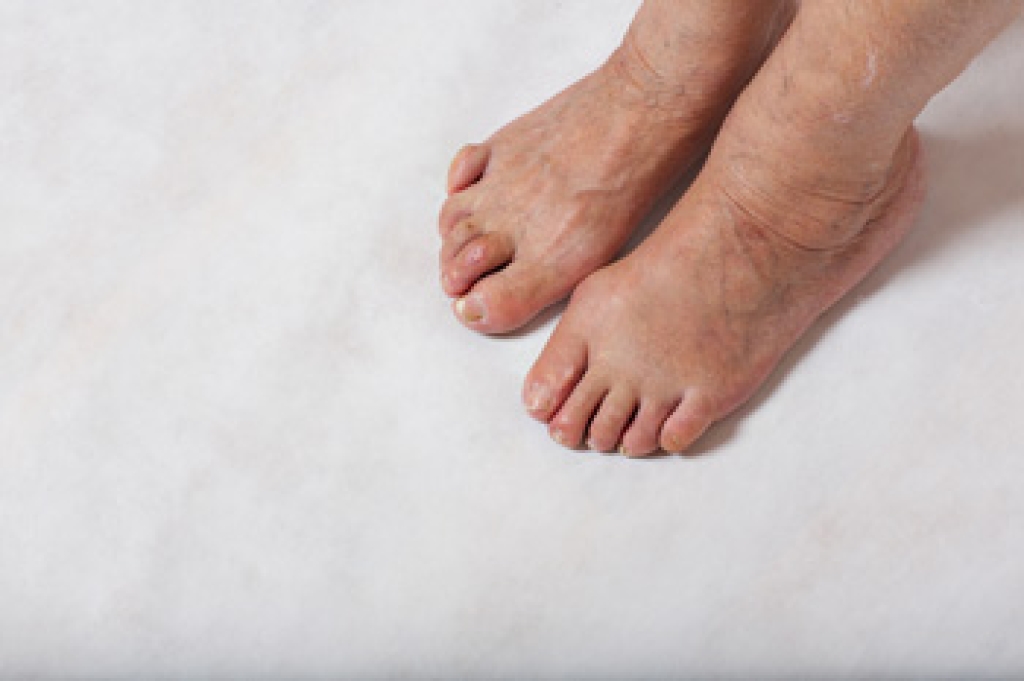
Hammertoe develops when one of the smaller toes bends abnormally at its middle joint instead of lying flat. The condition most frequently affects the second, third, or fourth toe. An imbalance in the muscles and tendons that control the toe can contribute to this bent position. Foot structure and certain types of shoes can also place added pressure on the toes. Symptoms include pain, stiffness, and difficulty moving the affected toe. Corns can develop where the bent toe rubs against the inside of a shoe. Calluses can also form where increased pressure occurs. At first, the toe may remain flexible, but it can become harder to straighten as the condition progresses. Hammertoe can make standing, walking, and wearing shoes uncomfortable.

A podiatrist evaluates hammertoe by examining the position and movement of the affected toe. An examination includes checking toe flexibility, areas of tenderness, and changes in the skin caused by pressure. The podiatrist also evaluates the overall structure of the foot and how pressure is distributed while standing or walking. Treatment focuses on reducing pressure and improving comfort. Custom orthotics help support the foot and improve pressure distribution. A podiatrist can also recommend shoes with enough room in the toe area to reduce rubbing against the bent toe. Targeted treatment also addresses corns or calluses that develop from repeated pressure.

Hammertoe can affect balance and change how the foot functions during everyday activities. Patients may shift their weight to avoid pressure on the painful toe, which can place added stress on other areas of the foot. A podiatrist can identify these changes and develop a treatment plan based on the severity and flexibility of the hammertoe. Care focuses on reducing painful pressure and supporting better foot function. Treatment may be adjusted according to the patient's symptoms and response to care. Early evaluation helps address discomfort before the toe becomes more rigid and difficult to move. If you have symptoms of hammertoe, it is suggested that you make an appointment with a podiatrist for diagnosis and treatment.

Hammertoe

Hammertoes can be a painful condition to live with. For more information, contact Chuc Dang, DPM from California . Our doctor will answer any of your foot- and ankle-related questions.

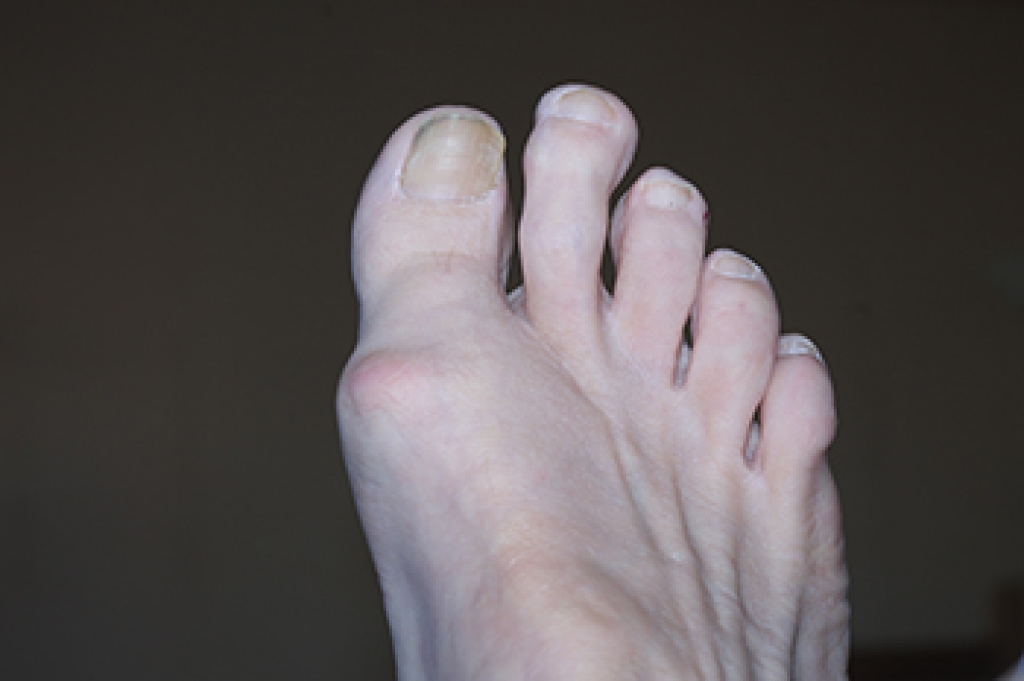
Hammertoe is a foot deformity that affects the joints of the second, third, fourth, or fifth toes of your feet. It is a painful foot condition in which these toes curl and arch up, which can often lead to pain when wearing footwear.

Symptoms

  • Pain in the affected toes
  • Development of corns or calluses due to friction
  • Inflammation
  • Redness
  • Contracture of the toes

Causes

Genetics – People who are genetically predisposed to hammertoe are often more susceptible

Arthritis – Because arthritis affects the joints in your toes, further deformities stemming from arthritis can occur

Trauma – Direct trauma to the toes could potentially lead to hammertoe

Ill-fitting shoes – Undue pressure on the front of the toes from ill-fitting shoes can potentially lead to the development of hammertoe

Treatment

Orthotics – Custom made inserts can be used to help relieve pressure placed on the toes and therefore relieve some of the pain associated with it

Medications – Oral medications such as anti-inflammatories or NSAIDs could be used to treat the pain and inflammation hammertoes causes. Injections of corticosteroids are also sometimes used

Surgery – In more severe cases where the hammertoes have become more rigid, foot surgery is a potential option

If you have any questions, please feel free to contact our office located in Westminster, CA . We offer the newest diagnostic and treatment technologies for all your foot care needs.
Read more about What Are Hammertoes?

Understanding Morton’s Toe

Morton’s toe describes a foot shape in which the second toe appears longer than the big toe. This difference usually occurs because the bone behind the big toe is shorter than the bone behind the second toe. Morton’s toe does not always cause problems or require treatment. However, this shape can change how pressure moves across the foot. More force may fall beneath the second toe and the ball of the foot. This uneven pressure can lead to soreness, thickened skin, or strain after standing or walking.

Symptoms can develop when the foot bears weight in this altered pattern. Pain may affect the ball or arch of the foot, and a callus can form beneath the second toe. The longer toe may also rub against the front of a shoe, causing irritation or a bent-toe position. Shoes that lack proper support or have a narrow toe box can make these problems worse. Morton’s toe may also stress nearby joints and soft tissues. A podiatrist can determine whether the foot shape is contributing to pain. The examination includes checking toe position, tender areas, and the patient’s walking pattern. Imaging tests may be ordered when a bone or joint problem is suspected.

Treatment focuses on improving pressure distribution and protecting painful areas. A podiatrist may recommend properly-fitted shoes with enough room for the longer second toe. Custom orthotics can support the foot and shift pressure away from sensitive areas. Padding may provide added protection beneath the ball of the foot. The podiatrist can also treat painful calluses and monitor changes in toe position. When symptoms are severe and other care has not helped, surgery may be considered to correct the bone structure. Treatment is based on the source of pain, foot shape, and daily activity needs. If you have symptoms of Morton's toe, it is suggested that you schedule an appointment with a podiatrist for diagnosis and appropriate treatment.

Toe pain can disrupt your daily activities. If you have any concerns, contact Chuc Dang, DPM of California . Our doctor can provide the care you need to keep you pain-free and on your feet.

What Causes Toe Pain?

Most severe toe pain is caused due to a sports injury, trauma from dropping something heavy on the toe, or bumping into something rigid. Other problems can develop over time for various reasons.

Toe pain can be caused by one or more ailments. The most common include:

  • Trauma
  • Sports injury
  • Wearing shoes that are too tight
  • Arthritis
  • Gout
  • Corns and calluses
  • Hammertoe
  • Bunions
  • Blisters
  • Ingrown toenails
  • Sprains
  • Fractures (broken bones)
  • Dislocations

When to See a Podiatrist

  • Severe pain
  • Persistent pain that lasts more than a week
  • Signs of infection
  • Continued swelling
  • Pain that prevents walking

Diagnosis

In many cases the cause of toe pain is obvious, but in others, a podiatrist may want to use more advanced methods to determine the problem. These can range from simple visual inspections and sensation tests to X-rays and MRI scans. Prior medical history, family medical history, and any recent physical traumatic events will all be taken into consideration for a proper diagnosis.

Treatment

Treatments for toe pain and injuries vary and may include shoe inserts, padding, taping, medicines, injections, and in some cases, surgery. If you believe that you have broken a toe, please see a podiatrist as soon as possible.

If you have any questions please contact our office located in Westminster, CA . We offer the newest diagnostic and treatment technologies for all your foot and ankle needs.

Read more about Toe Pain

Connect With Us